The summer that changed Welsh football
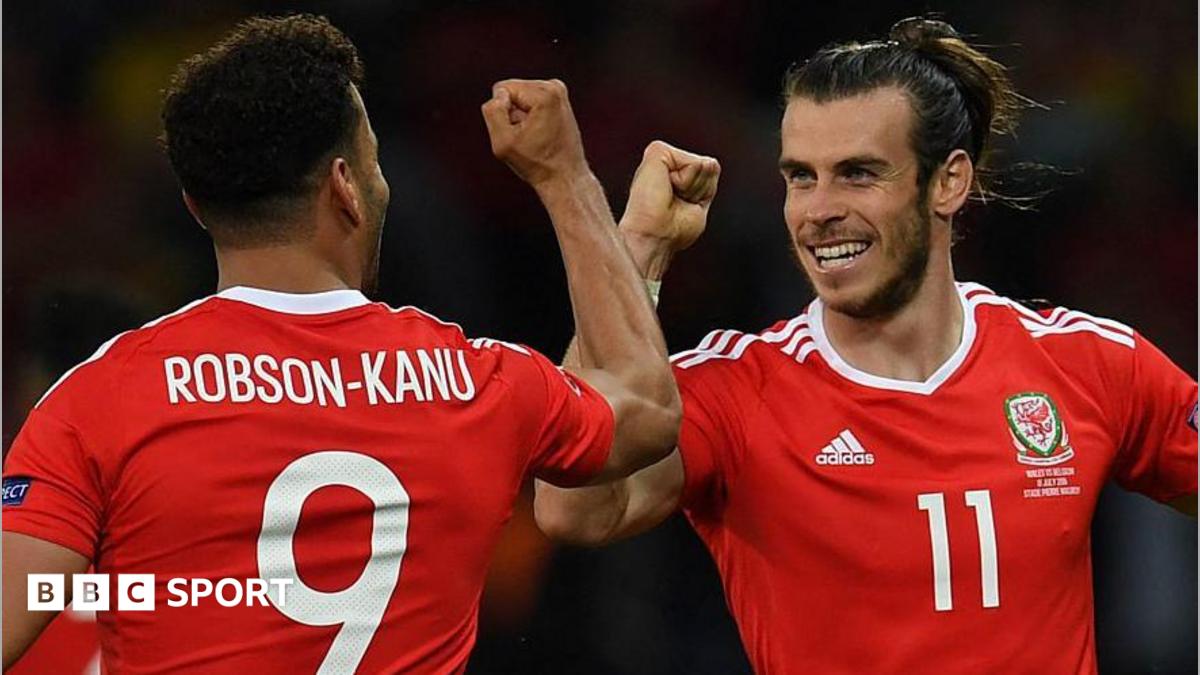
Wales’s Euro 2016 debut in Bordeaux turned a half‐century wait into a summer that reshaped the nation’s football story
What happened in Bordeaux
On a bright Saturday afternoon, 11 June 2016, tens of thousands of Welsh fans streamed into the sun‐lit streets of Bordeaux for Wales’s opening match of Euro 2016 against Slovakia. The scene was captured by BBC Sport Wales, which noted that the city was “bathed in sunshine” as supporters arrived for the historic fixture【source】. For many, the day marked the first time in 58 years that the Welsh anthem would be heard at a major tournament, a moment that “felt like a pipedream” for a generation that had only known near‐misses and disappointment【source】.
Low expectations, high emotions
The mood in the Welsh camp was modest. As former Wales player turned comedian and presenter recalled, “Walking to the ground in Bordeaux and what I find hilarious, in hindsight, is how low our expectations were”【source】. Wales had not qualified for a major finals tournament since the 1958 World Cup, a gap of more than half a century that had left fans scarred by “agonising near misses and downright dismal failures of the past”【source】. Consequently, many supporters were content simply to be there, with jokes about the national anthem circulating: “We were all saying things like, ‘Oh, the anthem’s going to be good, that’s guaranteed’”【source】.
The golden generation arrives
The squad that travelled to France was a “golden generation” of Welsh football, featuring Gareth Bale, Aaron Ramsey and other key figures who had helped the nation secure qualification under the guidance of charismatic manager Chris Coleman【source】. Coleman, aware of the emotional weight of the occasion, warned his players to stay grounded: “I was saying to all the players, ‘Keep calm, don’t act like we’re too excited to be here’”【source】. The manager’s calm approach helped the team compose themselves amid the electric atmosphere of their first major‐tournament match in decades.
On‐field moments that hinted at a new era
Early in the game, Tottenham Hotspur defender Ben Davies made a crucial goal‐line block that he later described as a turning point for Welsh football. Davies told BBC Sport Wales that “Euro 2016 was a turning point for Welsh football” and that, despite hearing stories about the 1958 team, “it felt like a pipedream to actually have Wales in a major tournament”【source】. While the article does not detail the final score, the significance of the match lay in the confidence it gave a nation long denied a stage at the highest level.
Why the summer mattered
Euro 2016 did more than provide a few memorable moments; it reshaped the narrative of Welsh football. After decades of disappointment, the tournament offered a tangible proof that the country could compete on Europe’s biggest stage. The collective experience of travelling to Bordeaux, hearing the anthem after 58 years, and witnessing the composure of a squad led by Coleman and anchored by players like Bale, Ramsey and Davies, gave fans and players alike a renewed belief in Welsh football’s future.
Frequently asked questions
What was the atmosphere like as Wales arrived in Bordeaux? BBC Sport Wales reported that Bordeaux was “bathed in sunshine” on 11 June, with tens of thousands of Welsh supporters descending on the city for the opening game against Slovakia【source】.
How did the players and manager manage expectations before the match? Chris Coleman told BBC Sport Wales that he urged his players to “keep calm, don’t act like we’re too excited to be here” to avoid letting the historic occasion overwhelm them【source】.
Why is Euro 2016 considered a turning point for Welsh football? Tottenham defender Ben Davies said the tournament marked a turning point, noting that hearing the Welsh anthem at a major tournament for the first time in 58 years felt like a “pip‐dream” turned reality【source】.
Related Reading
- Cornish Miners’ Legacy Lives On in Pachuca’s Football Tifo
- Wrexham Bolster Defence with Arrival of Burnley Centre‐Back Joe Worrall
- Midnight matches and money disputes - why is tennis schedule such a headache?
- Why don't Chelsea or Sunderland have a shirt sponsor?
- What are the key dates for the women's football season?


Comments
Post a Comment