Cornish Miners’ Legacy Lives On in Pachuca’s Football Tifo
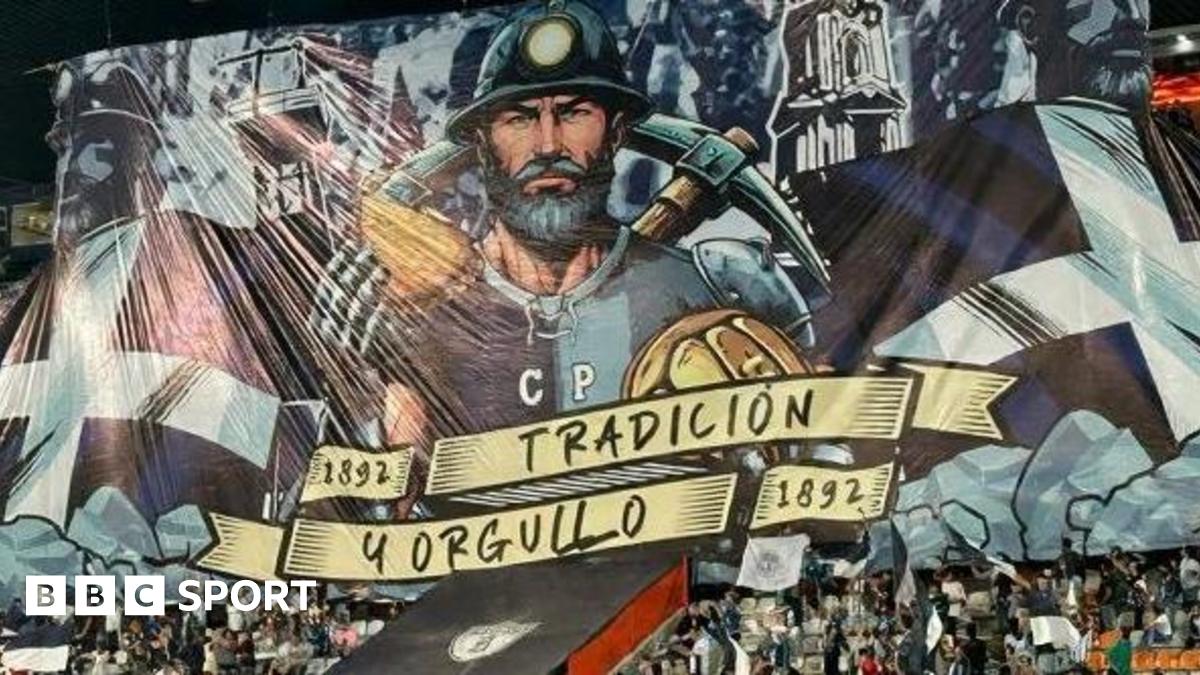
Inside the 25,000‑seat Estadio Hidalgo in east‑central Mexico, supporters of Club de Fútbol Pachuca unfurled a striking tifo that depicts a miner clutching a pickaxe in one hand and a crimp‑ed pastry in the other. Flanked by two identical black flags bearing a white cross, the figure is instantly recognisable to anyone familiar with Cornwall, the United Kingdom’s southernmost county. The display is more than a visual tribute; it celebrates the little‑known role that Cornish miners played in introducing football to Mexico, a nation that will co‑host the 2026 World Cup.
Main development
The tifo, created by Pachuca’s passionate fan base, highlights the club’s claim as Mexico’s first football team. By honouring the Cornish miner, supporters acknowledge the transatlantic link that began in 1824, when Mexico’s mining industry, still reeling from the decade‑long war for independence from Spain, caught the attention of British mining engineer John Taylor. Taylor’s success in the Cornish village of Gwen nap led him to recruit hundreds of Cornish workers to the mines of Hidalgo. Alongside mining expertise, these migrants brought elements of their culture, including the newly codified sport of association football.
What happened
- The tifo’s imagery - The miner holds a pickaxe, symbolising the trade that brought Cornish men to Mexico, and a pastry with a crimped edge, a nod to traditional Cornish pasties.
- Flag symbolism - The black flags with white crosses echo the St. Piran flag, long associated with Cornwall.
- Club heritage - CF Pachuca, founded by Cornish miners in the early 20th century, is widely recognised as the country’s first football club. The club’s origins are directly tied to the mining community that settled in the region.
- Historical connection - In 1824, after Mexico’s war of independence left its mining sector in ruins, John Taylor identified an opportunity to revive production. His involvement sparked a flow of Cornish labourers between Cornwall and Hidalgo over the following decades.
The fans’ tribute underscores how that migration transferred not only mining techniques but also the game of football, which would later become a cornerstone of Mexican culture.
Why it matters
Mexico’s passion for football is now global, yet its early adoption owes a debt to a small group of overseas workers. Recognising the Cornish contribution reframes the sport’s history in the country, illustrating how cultural exchange can arise from economic necessity. The tifo also arrives at a moment when Mexico prepares to host the World Cup, reminding both locals and visitors that the nation’s football roots extend beyond its borders.
Moreover, the visual homage strengthens ties between two distant regions. For Cornwall, a county whose mining heritage has long been celebrated, the acknowledgment from a Mexican club reinforces the lasting impact of its diaspora. For Pachuca, the reminder of its founding community enriches the club’s identity and offers a narrative that resonates with supporters who value tradition.
What happens next
The tifo has already sparked conversation on social media, with fans and historians sharing stories of the Cornish‑Mexican link. While no formal events have been announced, the renewed interest may inspire further research, exhibitions, or cultural exchanges between Cornwall and Hidalgo, deepening the appreciation of this shared history.
Frequently asked questions
What does the miner in the tifo hold? He holds a pickaxe in one hand, representing the mining trade, and a pastry with a crimped edge in the other, referencing the traditional Cornish pasty.
Why are black flags with a white cross used in the display? The flags mirror the St. Piran flag, a historic symbol of Cornwall, underscoring the miner’s Cornish identity.
How did Cornish miners influence Mexican football? Starting in 1824, hundreds of Cornish workers arrived in Hidalgo to revive the mining sector. Alongside their expertise, they introduced football to the region, leading to the formation of CF Pachuca, Mexico’s first football club.
The tifo at Estadio Hidalgo serves as a vivid reminder that the beautiful game’s early Mexican chapters were written not only on local soil but also with the tools and traditions of distant miners.


Comments
Post a Comment