The country that doesn't play football... yet
What sparked a football awakening on Nauru
For the first time in six weeks the world’s smallest island nation has been buzzing about football, according to BBC Sport. The excitement arrived just after Spain lifted the World Cup trophy, but the celebration faded quickly as the island’s football activity stalled, highlighting how fragile the sport’s presence is on Nauru.
A sport that has barely existed
BBC Sport reports that football is “almost non‐existent” on the Pacific island. Nauru has never fielded a senior international side and possesses only a single hard‐sand pitch. Children on the island do wear Lionel Messi and Cristiano Ronaldo kits and follow Premier League matches, yet any attempt to play the game locally is often mocked unless it is Australian rules football.
Past attempts and lingering obstacles
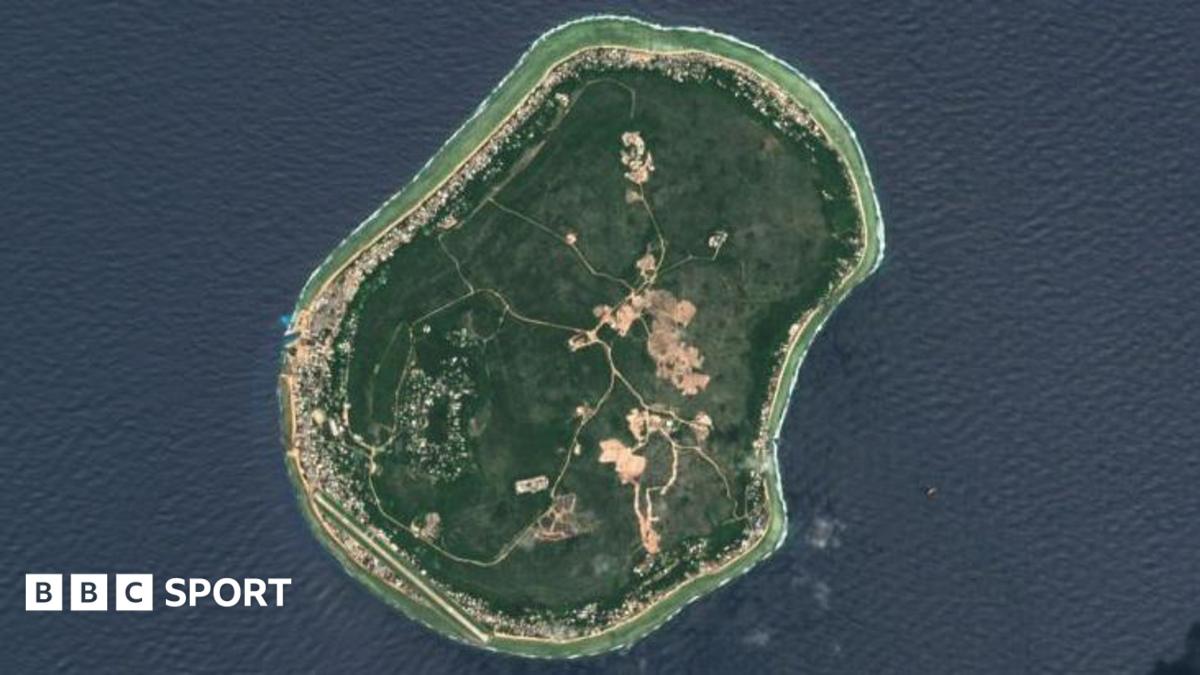
The island’s history helps explain the sport’s struggle, BBC Sport notes. Nauru’s wealth once came from massive phosphate deposits - fossilised bird droppings - which were heavily mined in the late 20th century. The mining scarred the 21 km2 landscape, leaving a moonscape that limits usable space. With a population of about 12,000 clustered along the coast, finding room for a football field is a constant challenge. The nation’s economy now relies heavily on an Australian immigration detention centre, and it records one of the world’s highest obesity rates, further complicating grassroots sport development.
Previous efforts to introduce football have not taken off, BBC Sport adds. The closest Nauru came to an international fixture was a match against a Solomon Islands expatriate team in 1994 and a refugee side in 2014, both of which remained isolated events.
Volunteers lay new foundations
A group of volunteers led by former British academy player Charlie Pomroy is attempting to change the narrative, BBC Sport reports. Pomroy and his team are working to establish basic infrastructure and training programmes despite the island’s difficult terrain. Their aim is to give the island a sustainable pathway to field a senior side in the future.
A social‐media post from the Nauru Soccer Federation, cited by BBC Sport, congratulated Spain on becoming world champions and expressed a dream: “one day we hope to be in Spain’s position.” While the aspiration may sound fanciful, the post confirms that the federation is actively planning for a senior international team, positioning Nauru as the last country without one.
Why the effort matters
If successful, the volunteers’ work could give Nauru a new avenue for community health and international representation, BBC Sport suggests. Football’s global popularity offers a platform for youth engagement, physical activity, and national pride, elements that could help address the island’s obesity challenges and provide an alternative to the dominance of Australian rules football.
Looking ahead
The road ahead remains steep. Over‐mined land, limited space, and a small population mean that building a proper pitch and nurturing talent will take time. Yet the recent surge of interest, combined with organized volunteer action, indicates a shift from mockery to genuine development, BBC Sport concludes.
Frequently asked questions
What recent event sparked football interest on Nauru? BBC Sport reports that a six‐week period of football fever began on the island after Spain won the World Cup, though the enthusiasm waned once the tournament ended.
How many football pitches does Nauru have? According to BBC Sport, the nation has only one hard‐sand pitch.
Who is leading the new football development effort? BBC Sport identifies former British academy player Charlie Pomroy as the leader of the volunteer group working to introduce football to Nauru.
Related Reading
- Cornish Miners’ Legacy Lives On in Pachuca’s Football Tifo
- Wrexham Bolster Defence with Arrival of Burnley Centre‐Back Joe Worrall
- Midnight matches and money disputes - why is tennis schedule such a headache?
- Why don't Chelsea or Sunderland have a shirt sponsor?
- What are the key dates for the women's football season?


Comments
Post a Comment