Ukraine Dismisses Defense Minister Amid Procurement Scandal
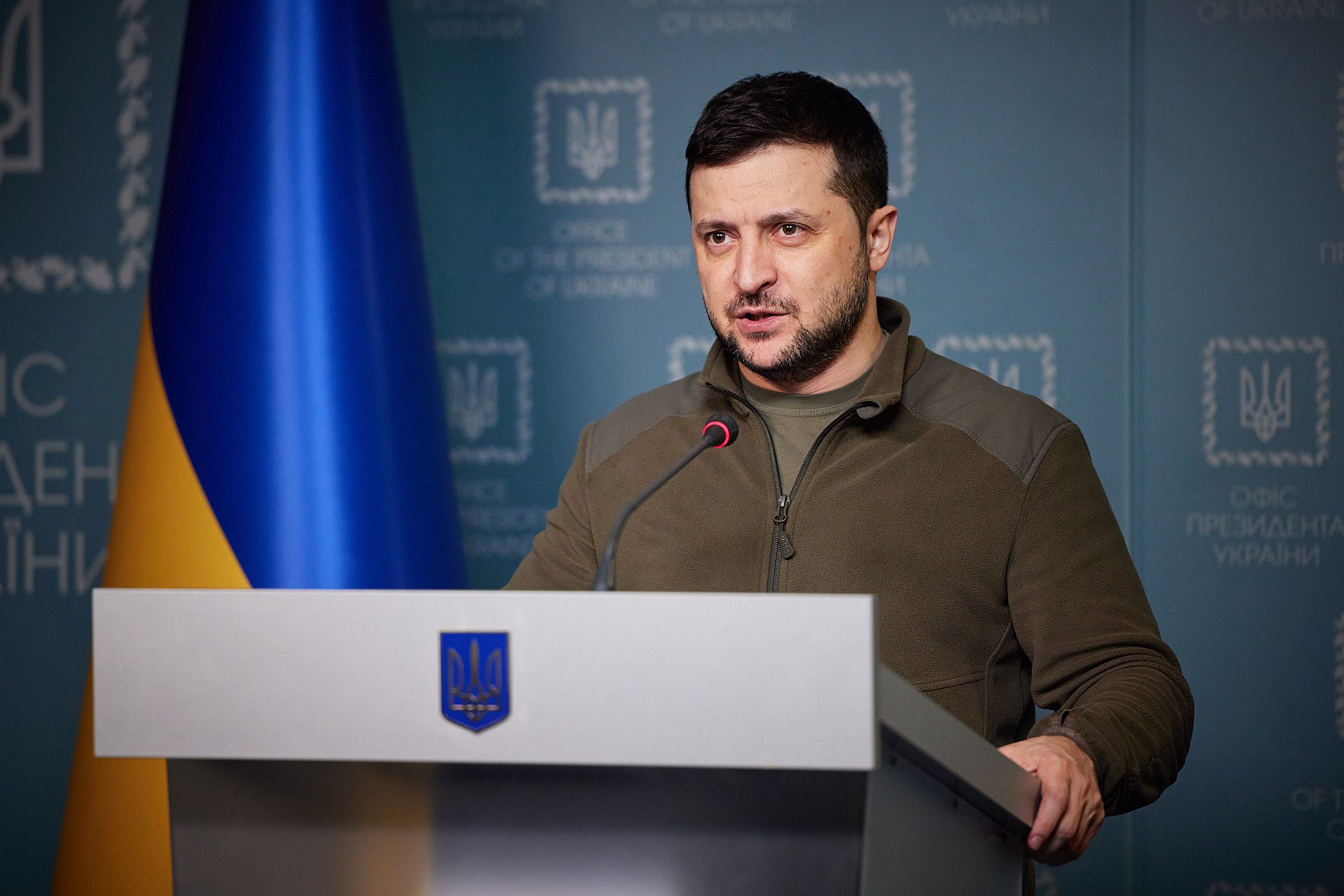
Background and context of the dismissal
On 3 September 2023 President Volodymyr Ze lensky signed a decree ending Ole ksi i Reznikov’s tenure as Ukraine’s defence minister. The move came after months of scrutiny over a procurement scandal that Transparency International’s Ukraine chapter highlighted in its August 2023 report. That analysis warned of opaque contracting practices that could undermine the war effort, setting the stage for a high‑profile political clash.
The dismissal did not happen in a vacuum. Ukraine’s armed forces have been under relentless pressure since the invasion began, and any hint of mismanagement in the supply chain reverberates across the front lines. By publishing the decree on the presidential website, the administration signaled that it would not tolerate perceived lapses, even at the highest level of the defence establishment.
Official reasons given by the presidency
Ze lensky’s office framed the decision as a response to “alleged irregularities in defence procurement” and a “loss of confidence in the minister’s ability to manage the war effort.” The wording mirrors language used in earlier anti‑corruption campaigns, emphasizing the need for transparent, efficient logistics while the country fights for its survival.
In the same statement, the president noted that the ministry must remain fully functional and that the new appointee would inherit ongoing contracts without interruption. This reassurance aimed to calm both domestic audiences and foreign partners who feared a disruption in the flow of weapons and equipment.
Immediate political reactions within Ukraine
Opposition parties seized the moment, calling for a vote of no confidence in the current government. Parliamentary leaders argued that the scandal exposed deeper systemic flaws and that a broader reshuffle might be necessary to restore credibility. Streets in Kyiv saw small rallies organized by civil society groups demanding clearer procurement rules and accountability.
At the same time, some members of the ruling coalition defended the president’s swift action, suggesting that decisive leadership is essential during wartime. The debate quickly moved beyond the ministerial post, touching on the balance of power between the executive and the legislature in a nation under siege.
Reznikov’s public demand for early elections
In a televised interview aired the day after his removal, Reznikov urged Ukrainians to hold “snap parliamentary elections” to renew the nation’s mandate. He argued that a fresh democratic endorsement would strengthen legitimacy and help the country navigate the challenges ahead. The interview resonated with a public that, according to a Kyiv International Institute of Sociology poll in September 2023, saw early elections as the preferred option for 48 % of respondents.
Reznikov’s call added a new layer to the political calculus. While the constitution permits the president to dissolve parliament under specific circumstances, the prospect of elections before the end of 2024 now occupies the headlines, forcing parties to weigh electoral strategy against wartime stability.
Potential impact on Ukraine’s defence strategy
Analysts warned that the leadership shuffle could temporarily affect coordination of frontline operations. Changing the ministerial helm often entails a brief period of administrative adjustment, during which procurement officers and field commanders must align with new directives. However, defence officials have stressed that existing contracts remain in force, mitigating the risk of supply interruptions.
The appointment of Rust em Umer ov, a former ambassador to the United States and a senior figure in Ukraine’s business community, is expected to bring a blend of diplomatic experience and commercial acumen to the role. Umer ov’s biography notes his tenure as ambassador from 2020 to 2022, a period that forged strong ties with western defense partners.
International response to the leadership change
NATO’s Secretary General issued a statement on 4 September 2023 confirming that alliance support would continue unchanged despite the ministerial turnover. The message was echoed by a joint EU‑United States declaration on 5 September 2023, which reiterated commitment to Ukraine’s defence reforms irrespective of personnel changes. These assurances aimed to reassure Kyiv that the flow of military aid would not be jeopardized by internal politics.
Western allies also highlighted continuity, noting that the procurement reforms flagged by Transparency International remain a priority. By emphasizing the stability of existing contracts, NATO and its partners sought to prevent any perception that the new minister might alter the strategic direction of aid.
Prospects for the upcoming parliamentary vote
The Verkhovna Rada scheduled a plenary session on 10 September 2023 to vote on Rust em Umer ov’s confirmation as defence minister. The session is expected to attract intense scrutiny, with opposition deputies likely to raise questions about the procurement scandal and the broader reform agenda. If Umer ov secures a majority, the ministry can resume full operational tempo within days.
Should the vote falter, the president may be forced to propose an alternative candidate, prolonging the period of uncertainty. Either outcome will shape the narrative heading into the next parliamentary election cycle, as parties gauge public sentiment on defence leadership and anti‑corruption measures.
Long‑term implications for civil‑military relations
The episode underscores a delicate balance between civilian oversight and military effectiveness. Civil society groups have used the moment to press for transparent procurement reforms, arguing that lasting stability depends on eliminating corruption at every level. At the same time, the military establishment seeks assurance that political turbulence will not impede operational readiness.
If the new minister can demonstrate both strategic competence and a commitment to openness, the episode may ultimately strengthen civil‑military trust. Conversely, a perception that political maneuvering overrides battlefield needs could erode confidence among troops and the public alike.
Conclusion
President Ze lensky’s decision to remove Ole ksi i Reznikov marked a pivotal moment in Ukraine’s wartime governance. While the immediate fallout includes heated parliamentary debates, calls for early elections, and a brief adjustment period for the defence ministry, international partners have signaled unwavering support. The upcoming vote on Rust em Umer ov’s confirmation will determine whether the ministry can swiftly regain its footing. In the longer view, the episode may catalyze much‑needed procurement reforms and reshape the relationship between civilian leaders and the armed forces, setting a precedent for how Ukraine navigates accountability amid existential threats.
FAQ
- Why did President Ze lensky decide to dismiss Ole ksi i Reznikov? The president cited concerns over alleged irregularities in defence procurement and a loss of confidence in the minister’s ability to manage the war effort.
- Who replaced Reznikov as Ukraine’s defence minister? Rust em Umer ov, a former ambassador to the United States and a senior figure in Ukraine’s business community, was appointed to the post.
- What did Reznikov mean by “early elections”? He called for parliamentary elections to be held ahead of the regular schedule, arguing that a fresh mandate would strengthen democratic legitimacy during the conflict.
- How have Ukraine’s western allies reacted to the ministerial change? NATO members and key partners have publicly affirmed continued support for Ukraine’s defence, stressing that the transition should not disrupt military assistance.
- Could the dismissal affect the supply of weapons to the front lines? While short‑term administrative adjustments are expected, defence officials have assured that existing procurement contracts remain in force.
- Is there a legal pathway for calling early elections in Ukraine? Yes, the Ukrainian constitution allows the president to dissolve parliament and trigger elections under specific circumstances, such as a loss of parliamentary confidence.


Comments
Post a Comment