Ukraine Defense Minister Calls for Wartime 2024 Elections
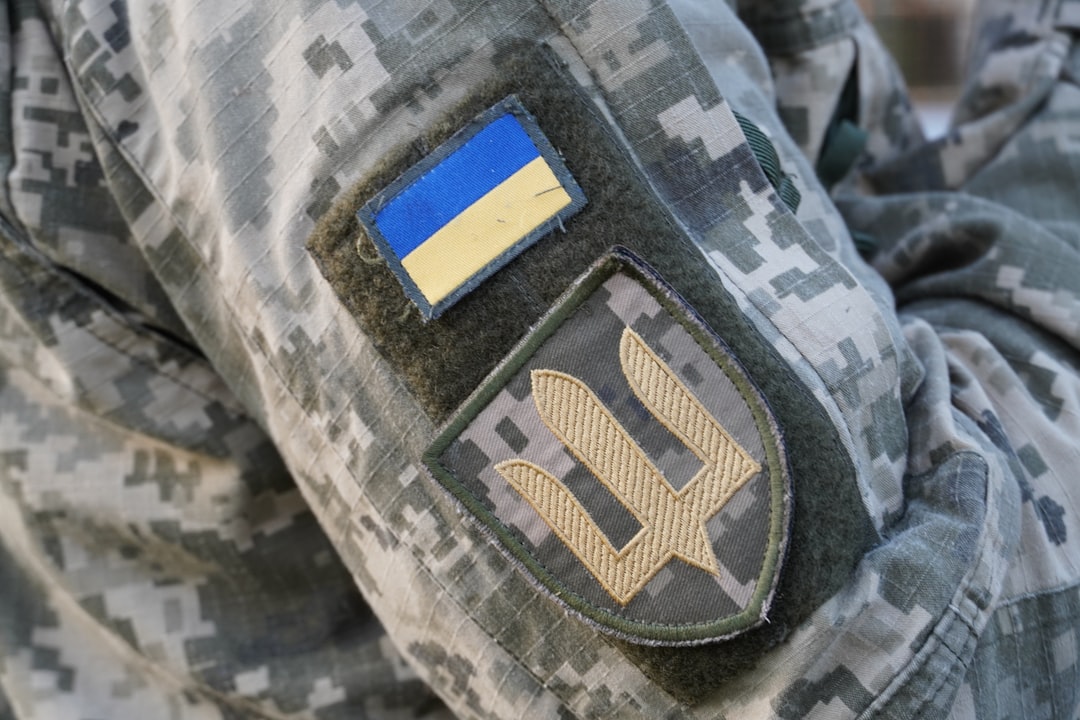
Ukraine finds itself at a crossroads where military strategy and democratic practice intersect. In September 2023 President Volodymyr Ze lensky dismissed Defense Minister Ole ksi i Reznikov, a move that reshaped Kyiv’s war cabinet. Since then, the former minister has taken an unexpected turn, publicly urging that the country press ahead with its scheduled parliamentary elections in March 2024, even as fighting rages on the front lines. His plea has ignited a debate that pits the urgency of wartime governance against the risk of diverting scarce resources from the battlefield.
Background and Timing of the Dismissal
Ole ksi i Reznikov entered the defense ministry in November 2021, steering Ukraine through the early months of Russia’s full‑scale invasion that began on 24 February 2022. For almost two years he became the public face of Kyiv’s resistance, coordinating aid, weapons deliveries, and strategic communications. The September 2023 dismissal came as Ze lensky announced a reshuffle aimed at injecting fresh leadership into the ministry, a decision the president framed as necessary to adapt to the evolving war situation.
The timing of the change mattered as much as the personnel shift itself. By late 2023, Ukrainian forces were transitioning from defensive battles in the east to more coordinated counter‑offensives. A new defense chief was expected to bring fresh ideas and maintain the momentum of Western support. Yet the departure also left a vacuum in the civilian‑military dialogue, a space Reznikov later argued could be filled by a renewed democratic mandate.
Defense Minister's Call for Wartime Elections
Only months after his removal, Reznikov resurfaced not on the battlefield but in the political arena. He urged that Ukraine proceed with the parliamentary elections slated for March 2024, insisting that postponement would deepen a governance vacuum and erode public trust. His argument rests on a simple premise: a legitimate, elected parliament can better oversee the war effort and keep civilian control over the armed forces intact.
Reznikov’s stance has drawn both applause and skepticism. Supporters claim that a fresh electoral mandate would reinforce democratic legitimacy, especially as the conflict stretches into its third year. Critics, however, warn that organizing a nationwide vote amid active hostilities could strain security forces already stretched thin on the front. International observers, including the OSCE, have reminded Kyiv that any wartime election must meet strict security standards to be credible.
Risks of a Governance Crisis
Delaying the vote, according to Reznikov, risks more than just a calendar shift. A postponed election could create a power vacuum, weaken institutional legitimacy, and fuel internal political fragmentation. In a country where the war has already strained public confidence, the perception of a leaderless or indecisive government could embolden opposition forces and even external adversaries.
The concern is not merely theoretical. Past conflicts have shown that elections held under fire often suffer from low turnout, logistical nightmares, and contested results. If the electorate doubts the fairness of the process, the resulting parliament may lack the authority needed to make tough wartime decisions, further destabilizing the already fragile political equilibrium.
Political Landscape Ahead of 2024 Elections
Ukraine’s constitution mandates parliamentary elections every five years, with the next round scheduled for March 2024. As the date approaches, the political arena is buzzing with speculation. Opposition parties have offered mixed reactions to Reznikov’s proposal. Some view it as a tactical move by the current administration to consolidate power, while others see an opening to challenge President Ze lensky’s leadership and shape post‑war policy.
Western allies have weighed in cautiously. Several governments have urged Kyiv to ensure any election meets democratic standards, emphasizing that the primary focus must remain on maintaining military effectiveness. Ze lensky’s administration, for its part, has signaled a willingness to adjust election logistics—such as expanding mail‑in voting and securing polling stations in contested regions—to address security concerns while preserving the democratic timetable.
Potential Impact on Ukraine’s War Effort
Holding a nationwide vote during active conflict could have tangible effects on military operations. Conducting the election would likely require reallocating security personnel to protect polling sites, diverting some assets from the front lines. Logistics chains that currently move ammunition and humanitarian aid might also be tasked with transporting ballot boxes and voter registries, stretching already thin resources.
Conversely, a successfully executed election could provide a stronger civilian mandate for the war effort, reinforcing the principle of civilian control over the military. A parliament elected under the pressure of war may feel a heightened sense of responsibility to support the troops, approve necessary budgets, and uphold international partnerships. The balance between these outcomes will shape Ukraine’s ability to sustain its defense while preserving democratic norms.
Frequently Asked Questions
- Why was Ole ksi i Reznikov dismissed as defense minister? President Ze lensky said the change was needed to bring fresh leadership to the defense ministry amid the evolving war situation.
- What specific election does Reznikov want to hold? He is advocating for the scheduled parliamentary elections in March 2024 to proceed on time, rather than being delayed.
- How could holding elections during war affect Ukraine’s military operations? Conducting a nationwide vote could require reallocating security personnel and logistics, potentially stretching resources that are currently focused on frontline defense.
- What are the main concerns about a governance crisis? Delays or disputes over election timing might lead to a power vacuum, weaken institutional legitimacy, and fuel internal political fragmentation.
- Have any foreign governments commented on the proposal? Several Western allies have urged Ukraine to ensure any election meets democratic standards while emphasizing the priority of maintaining military effectiveness.
- Could the opposition use the election to challenge the current leadership? Yes, opposition parties may view a wartime election as an opportunity to gain parliamentary seats and influence strategic decisions.
Conclusion
Reznikov’s call for a wartime parliamentary vote forces Ukraine to confront a fundamental question: can a nation at war preserve its democratic rhythm without compromising its defense? The answer will depend on how Kyiv manages security logistics, how opposition forces frame the election, and whether international partners can provide the necessary support to keep the process credible. As March 2024 draws nearer, the stakes grow higher—not just for the next parliament, but for the very shape of Ukraine’s democratic future amid an ongoing conflict.


Comments
Post a Comment