UAE Accuses Iran of Launching Missiles, Intercepts Confirmed
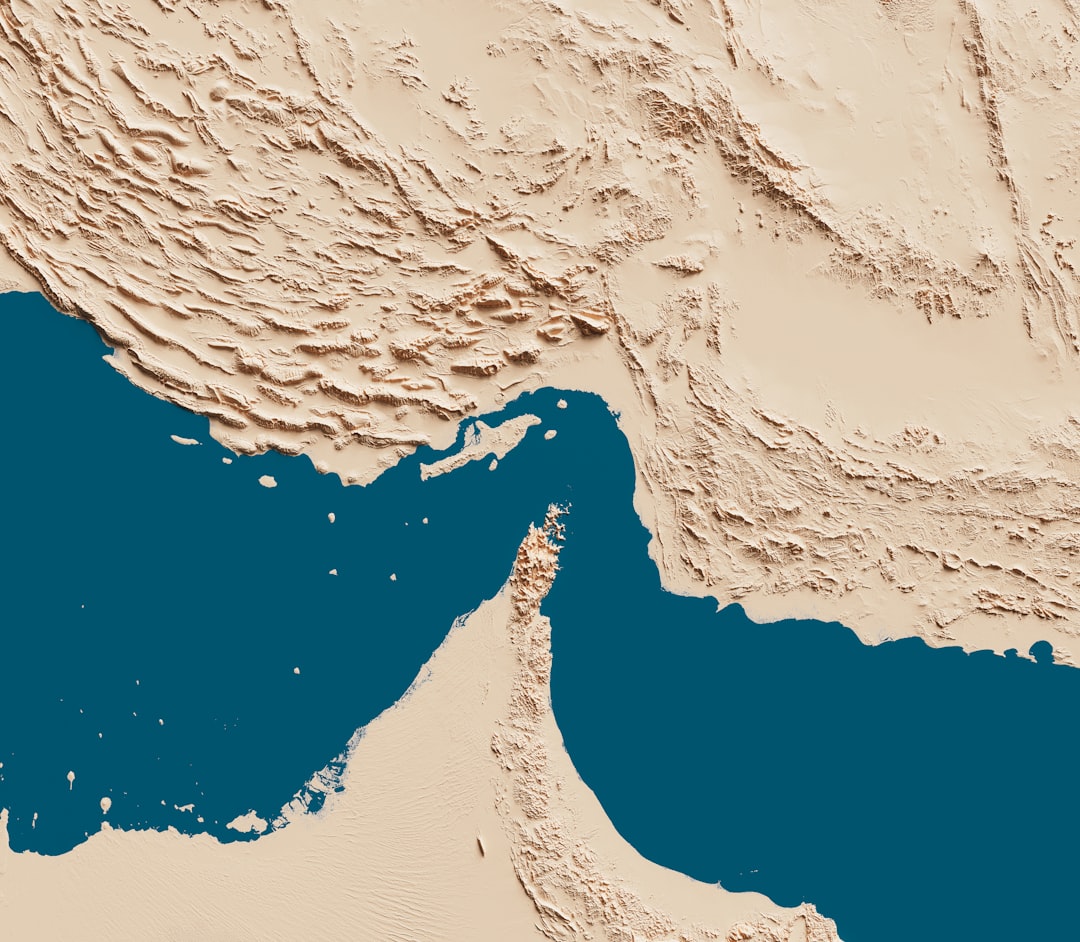
The United Arab Emirates announced a startling development on the Gulf’s volatile front lines: two missiles allegedly fired from Iran headed straight for Emirati airspace, only to be knocked down by the UAE’s air defenses. The claim, first reported by Yahoo Finance, sparked immediate denials from Tehran and prompted swift diplomatic activity from Washington, London and regional allies. While no damage or casualties were reported, the episode revives old anxieties about proxy wars, maritime trade routes and the price of crude.
Geopolitical context of Gulf tensions
For years the Persian Gulf has been a chessboard of competing interests, with Iran, the UAE, Saudi Arabia and external powers each guarding strategic depth. The rivalry is not merely territorial; it is amplified by sectarian divides, historic grievances and a scramble for influence over the Red Sea corridor. Recent years have seen a series of missile and drone incidents that kept alarm bells ringing across the region, prompting both sides to bolster radar networks and missile‑defence batteries.
The backdrop of these tensions includes the United Nations’ repeated calls for de‑escalation since 2022. Even as diplomatic overtures surface, the underlying competition for oil export routes and naval supremacy remains fierce. In this climate, any allegation of cross‑border aggression can quickly spiral into a broader confrontation, especially when major powers pledge intelligence support and public restraint.
Details of the alleged missile incident
According to a press statement released by the UAE Ministry of Foreign Affairs on the day of the event, two projectiles were launched from Iranian territory and entered the UAE’s airspace within minutes. The UAE’s air‑defence command reported that both missiles were detected by early‑warning radars and subsequently intercepted by surface‑to‑air missiles, preventing any impact on civilian or military infrastructure.
Yahoo Finance cited statements from both Emirati and Iranian officials, noting that the UAE claimed a successful interception while Tehran called the accusation “unfounded.” No debris was recovered, and the Ministry confirmed that there were no injuries or damage to critical facilities. The swift response underscores the UAE’s investment in modern air‑defence systems, a legacy of previous attacks that have kept the nation on high alert for more than a decade.
Iran’s official response to the accusation
Iran’s foreign ministry issued a rapid rebuttal, insisting that no missiles were launched toward the United Arab Emirates on the reported date. The statement labeled the UAE’s claim as baseless and warned that such allegations could de stabilise an already fragile region. This denial echoes earlier refusals by the Revolutionary Guard to accept responsibility for missile strikes on Gulf states, a pattern that has become familiar to analysts monitoring Tehran’s strategic communications.
The Iranian narrative stresses that any hostile act would be met with proportional retaliation, yet it also highlights the country’s desire to avoid direct confrontation with its Gulf neighbours. By framing the allegation as “unfounded,” Tehran seeks to shift the focus toward diplomatic channels and away from military escalation, a tactic that aligns with its broader foreign‑policy playbook.
UAE’s diplomatic and military actions following the claim
In the hours after the announcement, the United Arab Emirates reached out to allied nations for consultations. Officials indicated that they would present the incident to the United Nations Security Council, seeking an international condemnation of the alleged aggression. Simultaneously, the UAE’s defence ministry coordinated with the United States and the United Kingdom, both of which issued statements urging restraint and offering intelligence assistance to verify the event.
The diplomatic outreach is complemented by a visible military posture: additional patrols were dispatched to the Strait of Hormuz, and readiness levels for air‑defence units were temporarily heightened. Such measures aim to reassure domestic audiences and reassure global partners that the UAE can protect its territory and the vital shipping lanes that pass through its waters.
Connection to the ongoing Yemen conflict
The missile episode cannot be examined in isolation from the protracted war in Yemen. Iran has long been accused of supplying the Hou thi movement with weapons, enabling the rebels to launch dozens of missile and drone attacks against UAE interests since 2015. Those strikes have targeted ports, oil facilities and military installations, reinforcing the perception of a proxy battleground between Tehran and Abu Dhabi.
Analysts argue that the recent claim may be an extension of this shadow war, where each side seeks to signal resolve without crossing the threshold of open conflict. The Hou thi’s recent activity in the Red Sea, coupled with the UAE’s involvement in the Yemeni coalition, adds another layer of complexity to the missile narrative, blurring the line between a bilateral dispute and a wider regional confrontation.
Potential repercussions for regional security
If the allegation gains traction, it could trigger a cascade of security responses across the Gulf. Nations may feel compelled to further harden their air‑defence grids, conduct joint exercises, and increase naval patrols in the Strait of Hormuz—a choke point that handles roughly 20 % of the world’s petroleum shipments. Such a buildup raises the risk of miscalculation, especially in an environment where communication channels are already strained.
Moreover, the United States and United Kingdom have pledged to provide intelligence support, indicating that Western powers are prepared to intervene diplomatically or, if necessary, militarily to preserve the status quo. The delicate balance of deterrence could be upset, prompting neighboring states to reconsider their own engagement rules and potentially escalating a localized flare‑up into a broader crisis.
Impact on international energy markets
Historically, any hint of instability in the Gulf sends ripples through global oil markets. Traders monitor the Strait of Hormuz closely; a perceived threat to safe passage often translates into higher freight premiums and spot‑price spikes. While the intercepted missiles caused no immediate disruption, the narrative of a possible Iranian strike fuels speculation about future supply constraints.
Analysts warn that sustained tension could erode confidence in the reliability of Gulf‑origin crude, prompting buyers to diversify sourcing or hedge against price volatility. In turn, higher oil prices can influence inflation rates worldwide, underscoring how a single regional incident can have far‑reaching economic consequences.
Frequently Asked Questions
- What exactly did the UAE claim regarding the missiles? The UAE said that two missiles were launched from Iran and headed toward its territory, but were successfully intercepted.
- How does this event relate to the conflict in Yemen? Iran is accused of supplying the Hou thi rebels in Yemen, who have previously fired missiles at UAE targets, making the incident part of the wider regional proxy war.
- What has Iran said in response to the accusation? Iranian officials have denied the allegation, stating that no missiles were launched toward the UAE and that the claim is baseless.
- Could this incident affect oil markets? Yes, heightened tensions in the Gulf often lead to concerns over shipping safety in the Strait of Hormuz, which can push up global oil prices.
- What diplomatic steps might follow this claim? The UAE may seek consultations with allied nations and could bring the matter to the United Nations for condemnation and possible sanctions.
- Are there any confirmed casualties or damage? According to the UAE statement, the missiles were intercepted and no casualties or infrastructure damage were reported.
Conclusion
The reported missile interception adds another chapter to an already intricate tapestry of Gulf geopolitics. While the UAE’s swift defence response and Tehran’s categorical denial keep the situation from exploding into open hostilities, the episode highlights the fragile equilibrium that underpins regional security and global energy stability. As allies rally around diplomatic channels and intelligence sharing, the world watches to see whether this flash will fade or ignite a broader flare‑up in a region where every missile launch reverberates far beyond the shoreline.


Comments
Post a Comment