Trump’s North Korea Overtures and Their Impact on South Korea
Introduction
When former President Donald Trump announced his desire to “become friends” with Kim Jong un, the world took notice. The rhetoric was unlike anything seen in recent diplomatic history, and it immediately raised questions about how Seoul would navigate a shift that seemed to sideline its own security concerns. This article unpacks the political, economic, and strategic ripple effects that Trump’s overtures could have on South Korea, while also looking at the broader regional picture.
Trump's overtures toward North Korea
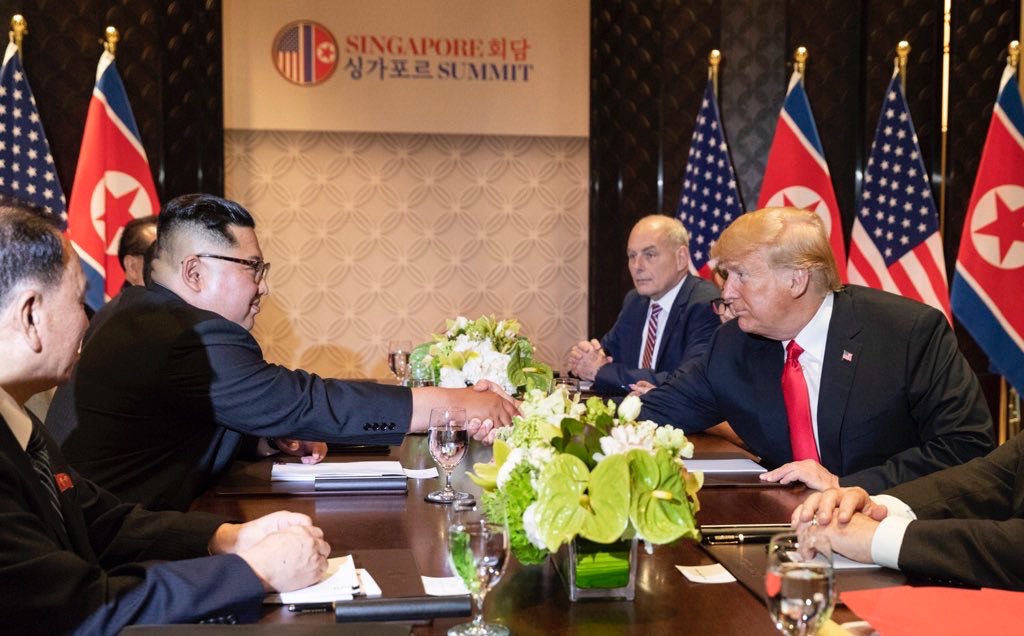
Trump’s public statements about building a personal rapport with Kim Jong un were more than just sound bites. He framed the relationship as a shortcut to de nuclear iz ation, suggesting that a handshake could replace lengthy negotiations. Between 2018 and 2019, the two leaders met three times—in Singapore, Hanoi, and the demilitarized zone—each summit marked by dramatic photo‑ops and a sudden pause in the “maximum pressure” campaign that Washington had pursued for years.
Those meetings also produced a subtle policy reversal. Sanctions that had choked North Korea’s coal, textile, and seafood exports were softened, at least in rhetoric, signaling a willingness to explore diplomatic flexibility. Critics argued that the approach risked rewarding a regime that continued missile tests, while supporters claimed that personal chemistry could unlock breakthroughs that formal talks had stalled on.
Historical context of US‑South Korea alliance
The United States and South Korea have been bound by a mutual defense treaty since 1953, a pact that obligates Washington to defend Seoul if North Korea attacks. That treaty emerged from the ashes of the Korean War and has shaped regional security for seven decades. Over the years, the alliance has survived Cold War tensions, North Korean provocations, and shifting American priorities, proving its durability.
Yet the treaty also creates expectations. Seoul looks to Washington not just for military guarantees but also for diplomatic coordination. When the president of the United States begins a direct dialogue with Pyongyang, the alliance’s traditional channels can feel bypassed. Analysts warn that such a perception of marginalization could erode the trust that underpins the partnership, especially if South Korea feels it is being treated as a secondary player.
South Korean public sentiment on rapprochement
Public opinion in Seoul has been anything but enthusiastic about a rapid thaw with the North. A 2020 Gallup Korea poll reported that over 60 % of South Koreans opposed a swift rapprochement under Trump’s leadership. The skepticism stems from a lingering fear that any softening of pressure could embolden Pyongyang’s missile program, which continued to test rockets throughout 2023.
Surveys also reveal economic anxiety. Many citizens worry that a relaxed sanctions regime might destabilize the markets that South Korean exporters rely on, especially those tied to Chinese supply chains. The sentiment is clear: while peace is a shared goal, the path to it must not compromise national security or economic stability.
Potential economic repercussions for South Korea
If sanctions on North Korea are eased, a limited set of trade routes could open, offering modest opportunities for regional commerce. However, the flip side is a possible destabilization of existing market dynamics. South Korean firms that have adapted to the sanctions‑driven environment might face new competition or supply‑chain disruptions.
Moreover, South Korea’s export‑driven economy remains heavily linked to China. Any shift that alters regional trade flows could ripple through Korean manufacturers, especially in sectors like shipbuilding and electronics that depend on stable raw‑material prices. The uncertainty surrounding a potential policy swing adds a layer of risk that businesses are reluctant to ignore.
Security risks and nuclear negotiations
North Korea’s nuclear program remains the core security concern for Seoul. Despite diplomatic overtures, the regime conducted a series of missile tests in 2023, reinforcing the perception that its strategic calculus has not changed. While Trump suggested that personal rapport could accelerate de nuclear iz ation, the reality on the ground shows a more complex picture.
Seoul’s defense budget, which rose by approximately 2 % in 2022, reflects a cautious approach to these uncertainties. Increased spending on missile defense and troop readiness signals that South Korea is preparing for scenarios where diplomatic gestures fail to curb Pyongyang’s capabilities. The risk is that a unilateral U.S.–North Korea dialogue could leave the peninsula vulnerable if the alliance’s coordination falters.
Diplomatic alternatives and regional reactions
Japan’s foreign ministry issued a warning in 2019 against any U.S.–North Korea deal that excluded regional partners. Tokyo’s apprehension underscores a broader regional unease: allies fear that a bilateral friendship could marginalize their own security interests. Multilateral frameworks that involve Seoul, Tokyo, and other stakeholders are widely regarded as more sustainable routes to de nuclear iz ation.
Such alternatives could include renewed Six‑Party Talks or a new ASEAN‑centered initiative that places the peninsula’s future in a collective decision‑making process. By keeping the dialogue inclusive, the risk of a single nation dictating terms diminishes, and the chances of a durable peace increase.
Long‑term implications for Korean Peninsula stability
The stability of the Korean Peninsula hinges on coordinated, multilateral negotiations rather than unilateral gestures. If the United States continues to prioritize personal diplomacy over alliance management, Seoul may feel compelled to recalibrate its strategic posture, potentially seeking greater self‑reliance or new partnerships.
Conversely, a well‑balanced approach that respects the US‑ROK treaty while integrating regional voices could strengthen deterrence and open pathways for incremental confidence‑building measures. The long‑term outlook, therefore, depends less on any single summit and more on the ability of all parties to align security, economic, and diplomatic objectives.
FAQ
- Why did Trump want to befriend Kim Jong un? Trump believed personal rapport could accelerate de nuclear iz ation talks and reduce tensions, echoing his “personal diplomacy” style.
- How have South Korean citizens reacted to the prospect of US‑North Korea friendship? Surveys indicate most South Koreans remain wary, fearing it could compromise their security and economic interests.
- What could happen to South Korea’s economy if sanctions on North Korea are eased? Easing sanctions might open limited trade routes, but could also destabilize markets and undermine South Korean industries that depend on existing sanction regimes.
- Does a US‑North Korea rapprochement undermine the US‑South Korea alliance? Analysts warn that sidelining Seoul could erode trust, potentially weakening the alliance’s cohesion.
- What alternatives exist to a direct Trump‑Kim friendship for achieving peace? Multilateral frameworks involving Seoul, Tokyo, and other regional partners are viewed as more sustainable routes to de nuclear iz ation.
- Could South Korea bear any direct costs from a US‑North Korea diplomatic shift? Potential costs include increased military readiness expenditures and diplomatic strain within the alliance.
Conclusion
Trump’s overtures created a momentary buzz, but the deeper currents affecting South Korea run far beyond a few high‑profile meetings. The 1953 defense treaty, public skepticism, economic interdependence, and ongoing security threats all shape how Seoul will respond. For lasting stability on the peninsula, the United States, South Korea, and their regional neighbors must move past personal diplomacy and embrace a collaborative, multilateral strategy that respects both security imperatives and economic realities.


Comments
Post a Comment