Monzo outage: card purchases and transfers disrupted
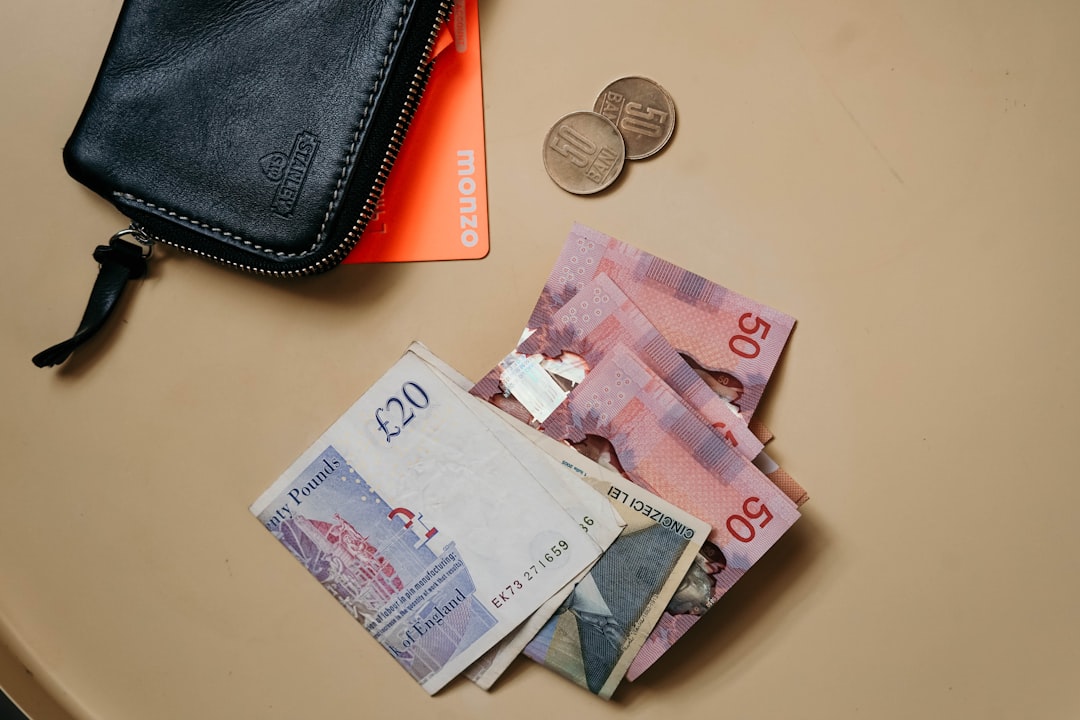
Monzo’s customers woke up to a series of unexpected declines on their cards and a backlog of peer‑to‑peer transfers. Within hours the fin tech‑focused bank confirmed that a technical glitch had taken down both card‑present transactions and the internal transfer engine. While the disruption lasted roughly a day, the incident sparked a flurry of support tickets, social‑media chatter, and a rapid response from the engineering squad. Below is a detailed walk‑through of what happened, how Monzo handled it, and what users can do now that the platform is back online.
Overview of the Issue
On the morning of 19 June 2026, Monzo’s monitoring systems flagged a sudden spike in failed payment attempts. Users reported that merchants ranging from coffee shops to online retailers were rejecting their cards, and many peer‑to‑peer transfers were stuck in a pending state. The problem was not confined to a single region; it appeared across the entire user base, suggesting a systemic failure rather than isolated network issues.
Monzo’s status page listed the incident under the “Payments & Transfers” section, indicating that both outbound and inbound flows were impacted. The root cause was traced to a processing error in an external payments gateway that Monzo relies on for routing card‑present transactions and for handling the settlement of internal transfers. Because the gateway mis routed requests, the bank’s own systems could not complete the authorization steps, leading to declines and a queue of pending items.
Impact on Customers
The immediate effect on customers was two‑fold. First, card‑present payments at physical locations were either declined outright or entered a pending state, leaving shoppers uncertain whether their purchases had gone through. Second, peer‑to‑peer transfers—an essential feature for splitting bills or sending money to friends—remained stuck, with both incoming and outgoing transactions showing as pending for several hours.
Monzo’s support team saw a roughly 30 % surge in tickets during the downtime, reflecting the anxiety of users who rely on the app for everyday cash flow. Despite the inconvenience, the bank made it clear that no additional fees would be levied on affected accounts. All pending transactions were automatically completed once the engineering fix took effect, and no customer funds were lost or incorrectly charged.
Monzo’s Communication and Response
Transparency was a cornerstone of Monzo’s response. Within an hour of the first reports, the company posted an update on its status page, explaining that a third‑party gateway error was under investigation. Real‑time email alerts and in‑app push notifications were sent to users, outlining the symptoms they might encounter and reassuring them that the issue was being addressed.
Throughout the outage, Monzo continued to push brief updates at regular intervals. The CEO took to Twitter, posting an apology and confirming that the engineering team was working around the clock. By the evening of 20 June 2026, a final status message announced that full functionality had been restored and that all pending payments had cleared. This multi‑channel approach helped keep frustration levels manageable and demonstrated a commitment to keeping users in the loop.
Technical Resolution Details
The engineering squad diagnosed the problem as a mis configuration in the integration with the external payments gateway. To stop the flow of malformed requests, they performed an immediate rollback of the gateway integration, effectively cutting off the faulty pathway. Once the rollback was in place, a targeted patch was deployed to address the routing logic that had allowed the error to propagate.
After the patch went live, Monzo’s systems began processing the backlog of pending transactions. The automatic reconciliation engine cleared the queue, and users saw their card payments and transfers move from “pending” to “completed” within minutes. The fix was verified through internal testing and by monitoring live traffic, confirming that the platform was stable before the public announcement of restoration.
Lessons Learned and Future Safeguards
Post‑incident analysis highlighted a key vulnerability: reliance on a single external gateway for critical payment flows. The review recommended implementing dual‑path routing, where a secondary gateway can take over instantly if the primary service fails. Monzo also plans to enhance real‑time monitoring of third‑party services, adding more granular health checks and alert thresholds.
The incident prompted an internal audit of vendor risk management practices. By tightening contractual SLAs and establishing clearer escalation procedures with external partners, Monzo aims to reduce the likelihood of similar outages. These steps are part of a broader strategy to increase resilience across the entire payments stack.
Guidance for Affected Users
Now that the service is back to normal, users should take a few practical steps to verify that everything is in order. First, review recent transaction history in the app; any payment that still appears as pending should be investigated promptly. Second, confirm that outgoing transfers you initiated during the outage have either completed or been reversed. If you notice discrepancies, reach out to Monzo’s support team via the in‑app chat or email.
It’s also a good idea to update any saved payment methods that might have been affected by the gateway issue. While Monzo has assured customers that no extra charges were applied, double‑checking statements from merchants can provide added peace of mind. Finally, keep an eye on future communications from Monzo, especially any announcements about new monitoring tools or vendor management policies.
Ongoing Monitoring and Follow‑Up
Monzo has committed to publishing a post‑mortem report that details the technical timeline, root cause, and remediation steps. This report will be made available on the company’s engineering blog and linked from the status page. In addition, the bank will roll out the dual‑path routing architecture over the next quarter, with pilot testing already underway for high‑volume merchants.
The monitoring team has also introduced a new dashboard that aggregates health metrics from all third‑party integrations. Alerts from this dashboard will trigger automated fail over procedures, ensuring that a single point of failure does not cascade into a full‑scale outage again. Users can expect periodic updates as these safeguards are implemented, reinforcing Monzo’s dedication to reliability.
FAQ
- What caused the card payment and transfer problems? A malfunction in a third‑party payments gateway caused transaction requests to be improperly routed, leading to declines and pending states.
- When did the issue start and when was it resolved? The problem was first reported on 19 June 2026 and a full restore was confirmed by Monzo on 20 June 2026.
- Were any customer funds lost or incorrectly charged? No. All affected payments were either completed after the fix or reversed, and no extra charges were applied to accounts.
- How did Monzo inform its users about the outage? Monzo posted updates on its status page, sent push notifications, and emailed affected customers with step‑by‑step guidance.
- What steps should users take now that the service is back online? Review recent transaction history, confirm that pending payments have cleared, and contact support if any discrepancies remain.
- Will Monzo change its processes to avoid similar issues in the future? The company announced a review of its vendor risk management and plans to implement additional real‑time monitoring of external payment services.
Conclusion
The 24‑hour disruption served as a reminder that even well‑engineered fin tech platforms depend on external partners for critical functionality. Monzo’s swift communication, transparent updates, and rapid engineering response minimized financial impact and preserved customer trust. By adopting dual‑path routing, strengthening vendor oversight, and enhancing real‑time monitoring, the bank is turning a painful episode into a catalyst for stronger, more resilient services. Users can breathe easier knowing that pending transactions have been cleared, no fees were incurred, and a road map is already in place to safeguard against future outages.


Comments
Post a Comment