Logitech Faces Class‑Action Over Undisclosed Tariff Pass‑Throughs
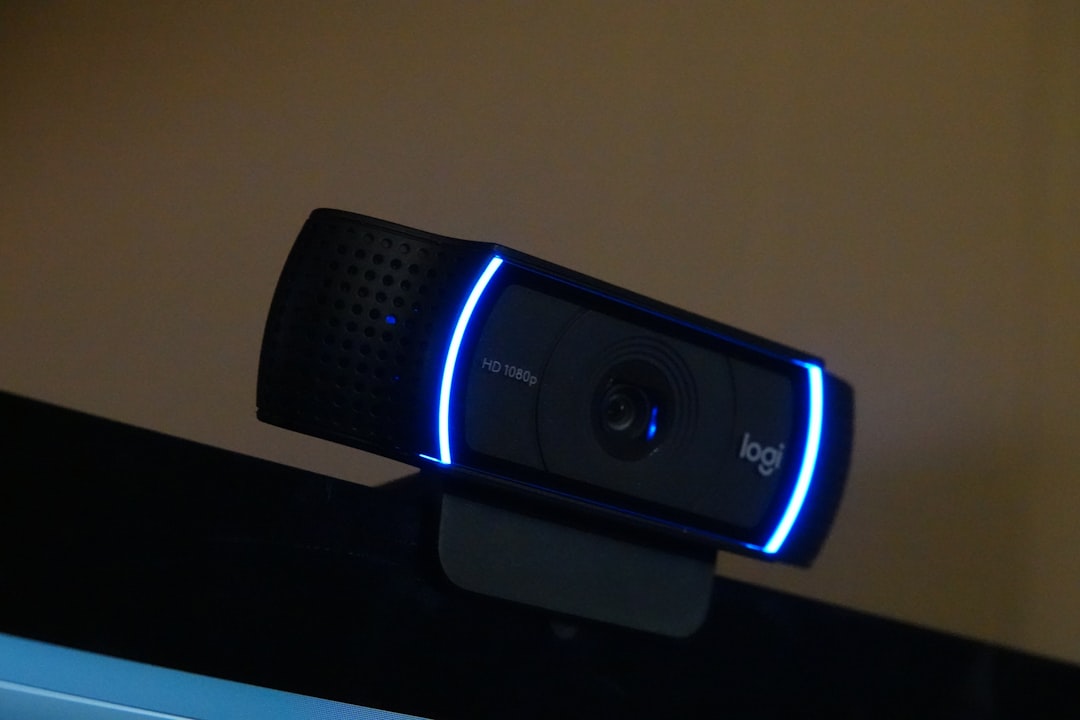
Logitech, a name most gamers recognize for mice, keyboards and webcams, has found itself in the middle of a legal dispute that could reshape how tech firms handle import costs. A group of consumers has filed a class‑action complaint in a federal court, alleging that the company added the full weight of a 25 percent U.S. tariff on Chinese‑origin products to retail prices without telling buyers. The case now circles around consumer‑protection statutes, potential refunds for thousands of customers, and a possible shift in pricing transparency across the industry.
Background of the lawsuit
The complaint was lodged in a U.S. federal court after plaintiffs identified a pattern of price hikes that coincided with the 2018 tariff increase on many electronics imported from China. Those filing the suit argue that Logitech’s U.S. subsidiary failed to disclose that the higher costs stemmed from the tariff, effectively passing the expense onto consumers as if it were a regular price adjustment.
Lead counsel for the plaintiffs, consumer‑advocacy group Consumer Watchdog, points to internal pricing documents that allegedly show a direct correlation between the tariff imposition and the retail price of several popular peripherals. While Logitech’s headquarters sit in Lausanne, Switzerland, the company’s North American sales arm is responsible for the pricing decisions under scrutiny.
Alleged tariff overcharges on Logitech products
According to the filing, the products at the heart of the dispute include the G502 gaming mouse, the G915 mechanical keyboard and the C922 webcam—items that many streamers and competitive gamers rely on. The plaintiffs claim that each of these devices was shipped to the United States after the tariff took effect, and that the added cost was reflected in the final price without any mention of a tariff surcharge.
Logitech’s 2023 annual report confirms that China remains a primary manufacturing hub for its peripheral lineup, which aligns with the complaint’s focus on Chinese‑origin goods. The plaintiffs argue that the lack of transparent communication violates basic consumer‑fairness principles, especially for a brand that markets itself on reliability and value.
Legal claims and statutes invoked
The lawsuit leans heavily on California’s Unfair Competition Law, a statute designed to curb deceptive business practices. In addition, the Consumers Legal Remedies Act is cited to argue that Logitech’s pricing disclosures—or lack thereof—misled shoppers in a way that the law deems unlawful. The complaint also references false or misleading pricing disclosures as a separate ground for relief.
By invoking these statutes, the plaintiffs aim to demonstrate that Logitech’s actions were not merely a business decision but a breach of legally defined consumer‑protection standards. The combination of state and federal claims creates a robust legal framework that could compel the company to change its pricing disclosures if the court finds in favor of the class.
Relief sought by the plaintiffs
Among the remedies requested are monetary refunds to every purchaser of the identified products during the period in question. The plaintiffs propose a per‑unit credit that would reflect the portion of the tariff that was allegedly passed through without notice. In addition to refunds, the complaint seeks statutory damages and an injunction that would prohibit Logitech from undisclosed tariff pass‑throughs in the future.
The class‑action also asks the court to require Logitech to adopt clear labeling or notices whenever tariffs affect product pricing. Such an order would not only address the current grievance but also set a precedent for how technology firms disclose cost increases tied to trade policies.
Potential impact on Logitech’s pricing and supply chain
If the court grants class certification and ultimately awards relief, Logitech may need to overhaul its pricing strategy for imported goods. Transparent tariff disclosures could become a standard part of product listings, potentially slowing down price adjustments that companies currently make behind the scenes.
Supply‑chain managers might also feel pressure to source more components domestically or from tariff‑free regions to avoid similar legal exposure. While shifting production is a long‑term endeavor, the prospect of mandatory refunds could prompt Logitech to negotiate better terms with its Chinese manufacturers or explore alternative factories to keep costs—and prices—stable for U.S. customers.
Current procedural status and timeline
The case is still in its early stages, with the court reviewing the plaintiffs’ motion for class certification. According to the filing, the judge is expected to issue a ruling within the next 60 to 90 days. Should the court certify the class, a notice period will follow, allowing potential class members to opt in or out of the settlement process.
Logitech has responded with a public statement denying any wrongdoing and asserting that its pricing reflects legitimate business considerations. The company emphasizes its intention to defend the claims vigorously, indicating that it will contest both the factual basis of the alleged overcharges and the applicability of the consumer‑protection statutes cited.
Guidance for consumers who may be affected
If you own a Logitech G502 mouse, G915 keyboard, C922 webcam, or any other peripheral that matches the complaint’s description, you may be eligible for a refund. First, verify the purchase date: only items bought after the tariff implementation in 2018 and before the filing date qualify.
Next, watch for official communications from the plaintiff‑administered portal once the class is certified. The portal will provide a straightforward claim form where you can upload proof of purchase—receipts, order confirmations or credit‑card statements. Remember that filing a claim does not interfere with Logitech’s existing warranty or support services; the two processes remain separate.
FAQ
- What products are covered by the lawsuit? The complaint lists Logitech gaming peripherals such as the G502 mouse, G915 keyboard, and C922 webcam that were shipped to the United States after the tariff increase.
- How can a consumer determine eligibility for a refund? Eligible customers must have purchased a covered Logitech product between the tariff implementation date and the filing date and can submit a claim through the plaintiff‑administered portal once the class is certified.
- Does the lawsuit affect Logitech’s warranty or support services? The filing does not alter existing warranty terms; any refund claim is separate from standard warranty coverage.
- What legal theories are the plaintiffs relying on? The suit cites the California Unfair Competition Law, the Consumers Legal Remedies Act, and allegations of false or misleading pricing disclosures.
- When is a decision on class certification expected? The court is scheduled to rule on the certification motion within the next 60‑90 days after the filing.
- Could Logitech be forced to change its pricing practices? If the plaintiffs prevail, the court may order Logitech to provide clear tariff disclosures and prohibit undisclosed cost pass‑throughs.
Conclusion
The Logitech class‑action underscores a growing tension between global trade policies and consumer‑rights expectations. Whether the court ultimately requires refunds, damages or new pricing disclosures, the case will likely influence how technology companies communicate cost changes tied to tariffs. For gamers and everyday users, staying informed about the outcome could mean the difference between paying an undisclosed surcharge and receiving a fair credit for a product they already love.


Comments
Post a Comment