Iranian rial hits historic low amid looming U.S. sanctions
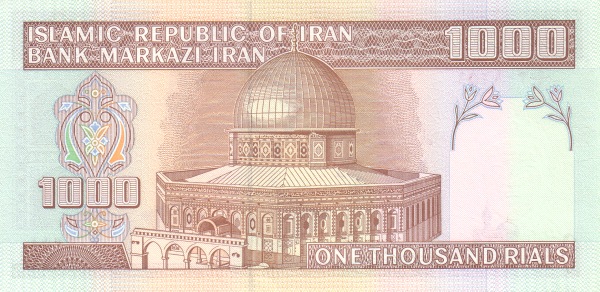
The Iranian currency has entered uncharted territory. After a steep slide that erased more than a third of its value in half a year, the rial now trades at levels not seen since the 2018 sanctions wave. At the same time, Washington is preparing a fresh round of penalties aimed at the nation’s metal and maritime sectors. The combination of a collapsing exchange rate, runaway inflation, and tightening external pressure is reshaping everyday life for Iranians and prompting a flurry of reactions from regional markets and global analysts.
Background on Iran’s economy and monetary policy
Iran’s macro‑economic framework has long been shaped by a reliance on oil revenues, a heavily subsidized domestic market, and a dual‑track foreign‑exchange system. The Central Bank of Iran (CBI) publishes an official rate that applies to a narrow set of imports and government transactions, while a parallel black market determines the price most citizens actually pay for hard currency. Over the past decade, periodic sanctions have forced the CBI to intervene repeatedly, often by raising the official rate in an attempt to curb inflation and preserve foreign‑currency reserves.
Monetary policy in recent years has been a balancing act between maintaining liquidity for essential imports and preventing a runaway devaluation of the rial. The CBI’s latest move, announced on 22 May 2024, set an official rate of roughly 500,000 rials per U.S. dollar. That figure represents a more than 30 % drop from the level recorded six months earlier, according to the bank’s own data. The official rate, however, tells only part of the story; most Iranians still rely on the black market, where rates have surged far beyond the government’s posting.
Recent trajectory of the rial against the U.S. dollar
The past six months have been a roller coaster for the rial. In early January, the official rate hovered around 350,000 per dollar, but by late June it had crossed the half‑million mark, a historic low that eclipses the record set after the 2018 sanctions. Bloomberg’s market analysts observed that the black‑market rate topped 800,000 rials per dollar in early June 2024, a gap that underscores the scarcity of hard currency and the loss of confidence in the official system.
Several dynamics have accelerated the decline. Dwindling oil exports, which traditionally supplied the bulk of foreign‑currency earnings, have been squeezed by both reduced production and the threat of new sanctions. At the same time, capital flight intensified as businesses and individuals sought to protect savings in euros, dollars, or other more stable assets. The result is a vicious cycle: fewer hard‑currency inflows depress the rial, while a weaker rial fuels expectations of further devaluation, prompting even more flight.
Overview of upcoming U.S. sanctions and targeted sectors
The U.S. Treasury announced that its next sanctions package will focus on Iran’s steel and maritime industries. Treasury spokesperson John Smith explained that restricting Iran’s ability to export steel and to operate commercial shipping vessels will “significantly limit the regime’s revenue streams.” By targeting sectors that generate foreign‑currency earnings, the sanctions aim to pressure Tehran’s leadership into curbing its nuclear program and regional activities.
These measures will likely tighten the already narrow channels through which Iran can earn dollars and euros. Steel exports, once a modest but growing source of hard currency, will face banking bans and secondary sanctions that deter foreign buyers. The maritime sector, essential for moving oil and other goods, will encounter restrictions on vessel insurance and port access, making it harder for Iranian ships to operate internationally. The combined effect is expected to further shrink the pool of dollars flowing into the country, a development that directly threatens the rial’s stability.
Immediate impact on Iranian households and businesses
For ordinary Iranians, the currency plunge translates into higher prices at the grocery store and tighter budgets for basic needs. Inflation data released by Iran’s Statistical Center showed a 42 % increase in consumer prices year‑over‑year as of April 2024, pushing the overall inflation rate above 40 %. Staples such as rice, bread, and cooking oil have risen sharply, sparking protests in several cities where citizens gathered to demand price controls and greater transparency.
Businesses that depend on imported inputs face a double squeeze. The official exchange rate makes it cheaper to import on paper, but the scarcity of foreign currency forces many firms to turn to the black market, where they pay more than 800,000 rials per dollar. This cost increase erodes profit margins and forces exporters to accept payment in foreign currencies rather than the rial. Small retailers, in particular, have begun stocking goods in cash and seeking informal networks that can provide euros or dollars at a lower premium than the official market.
Regional and global financial reactions
Neighboring economies have taken note of Iran’s currency turmoil. The Gulf Cooperation Council (GCC) countries, which trade extensively with Tehran, have warned of potential spillovers into regional for ex markets. Meanwhile, international investors have grown more cautious about exposure to Iranian assets, citing the IMF’s warning that continued sanctions could push Iran’s GDP growth below zero for the 2024‑2025 fiscal year.
Currency traders in Europe and Asia have adjusted their risk models, pricing in a higher probability of further rial depreciation. Some hedge funds have increased positions in emerging‑market currencies that are less correlated with Iran, while others have shorted the rial through offshore instruments. The broader message from global markets is clear: without a rapid easing of sanctions or a dramatic rebound in oil exports, Iran’s financial outlook remains precarious.
Outlook for the rial and possible policy responses
Analysts from Bloomberg and other outlets caution that the rial could slip below 600,000 per dollar within months if sanctions remain in place and oil revenues stay suppressed. In response, the CBI may consider several options. One possibility is to raise the official rate further, a move that could temporarily align the official market with the black market but risks fueling inflation even more. Another route is to expand the limited “exchange window” that allows businesses to access foreign currency for essential imports, thereby reducing reliance on the black market.
A more structural approach would involve monetary reforms such as liberalizing the foreign‑exchange market, allowing the rial to find its own equilibrium, and introducing inflation‑targeting mechanisms. However, such reforms require political will and a degree of openness that Tehran has historically resisted. In the short term, any stabilization is likely to depend on diplomatic developments—particularly the possibility of a sanctions relief agreement or a negotiated settlement that restores some oil export capacity.
Frequently Asked Questions
- What triggered the recent plunge of the rial? A combination of dwindling oil revenues, tightening U.S. sanctions, and loss of confidence in the official exchange system led to rapid depreciation.
- How do new U.S. sanctions directly affect the currency value? By restricting Iran’s ability to sell key commodities abroad, sanctions reduce foreign‑currency inflows, which weakens the rial in the foreign‑exchange market.
- Why is there a large gap between the official and black‑market rates? The official rate is set by the Central Bank for limited transactions, while the black market reflects real supply‑demand dynamics and scarcity of hard currency.
- What measures are ordinary Iranians taking to cope with the devaluation? Many are turning to savings in foreign currencies, purchasing goods in cash, and relying on informal networks to obtain more stable currencies.
- When could the rial stabilize, if at all? Stabilization may require a relaxation of sanctions, a rebound in oil exports, or significant monetary reforms, none of which are guaranteed in the short term.
Conclusion
The rial’s slide to historic lows is more than a headline; it is a symptom of deep‑seated economic strain amplified by fresh U.S. sanctions. With official rates down over 30 % in six months, black‑market prices soaring past 800,000 per dollar, and inflation eclipsing 40 %, Iranian households are feeling the pressure every day. Regional partners watch cautiously, while global investors recalibrate risk. Unless diplomatic channels open or Tehran enacts bold monetary reforms, the currency’s downward trajectory is likely to continue, leaving the Iranian economy in a fragile and uncertain state.


Comments
Post a Comment