Iran Rial Hits Record Low as US Announces ‘Economic D‑Day’ Sanctions
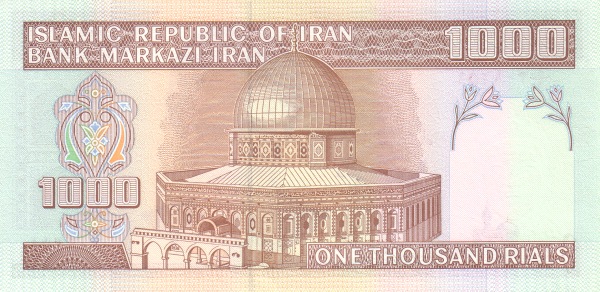
Background to the escalating conflict
Tensions between Tehran and Washington have been simmering for months, but recent diplomatic exchanges have turned the heat up. Iran’s support for militant groups in the region, combined with a series of missile tests, prompted U.S. officials to warn of a tougher stance. At the same time, European capitals have been urging restraint, fearing that any misstep could ignite a broader confrontation.
The backdrop is a series of proxy clashes along the Persian Gulf and a noticeable increase in Iranian rhetoric about defending “national sovereignty.” Analysts point to the convergence of military posturing and economic pressure as a deliberate strategy to force Tehran back to the negotiating table. The timing of the latest sanctions suggests that Washington wants to leverage its financial clout before the region’s winter energy demand peaks.
Iran’s rial reaches unprecedented low
On March 15, 2024, Iran’s central bank posted an official exchange rate of roughly 500,000 rials per U.S. dollar, eclipsing the previous record set in late 2023. The daily bulletin showed the figure on the same day CNN reported the story, underscoring how quickly the market responded to political headlines. Traders on Tehran’s informal bazaar echoed the official number, with many saying the black‑market rate had already slipped further.
Central bank officials warned that the plunge signals a looming liquidity crunch. With foreign reserves dwindling and sanctions choking off oil revenue, the ability to import essential goods is eroding. The bank’s statement highlighted “severe shortages of hard currency,” a phrase that has become a refrain in Tehran’s financial circles since the sanctions were first hinted at.
US economic strategy labeled “Economic D‑Day”
The Treasury’s Office of Foreign Assets Control released a press statement branding the upcoming measures as an “economic D‑Day.” The phrase, chosen for its dramatic impact, signals a coordinated, multi‑pronged effort to choke the flow of funds that Tehran uses to finance its military ventures. The package targets oil shipping vessels, insurance firms that underwrite tanker voyages, and a network of entities tied to the Revolutionary Guard’s financing operations.
Secondary sanctions will also extend to non‑U.S. companies that facilitate Iranian oil sales, a move designed to deter European and Asian firms from acting as intermediaries. By threatening access to the U.S. financial system, Washington hopes to make the cost of doing business with Iran prohibitively high. The strategy mirrors the 2022 sanctions that cut Iranian oil exports by an estimated 30 %, but this time the scope is broader and the language more forceful.
Potential impact on Iranian domestic economy
Inflation data from Iran’s statistical centre shows a year‑over‑year price increase of about 45 % in early 2024. With the rial’s value collapsing, import‑dependent sectors such as food, medicine, and fuel are feeling the pressure most acutely. Household budgets that once managed on modest wages are now stretched thin, as even basic staples cost several times more than a year ago.
Economists warn that tighter financial restrictions could exacerbate shortages of essential goods. The sanctions may limit Iran’s ability to purchase crude oil for its own refineries, leading to fuel rationing and longer lines at pumps. Moreover, the anticipated secondary sanctions could scare foreign investors away, reducing the flow of hard currency that the central bank desperately needs to stabilize the market. The combined effect is likely to deepen the economic hardship already felt by ordinary Iranians.
International reactions and regional implications
European Union officials have expressed concern about the humanitarian fallout of the new sanctions. While they acknowledge the need to curb Tehran’s war‑financing, EU diplomats stress that any measures must safeguard channels for food and medical aid. The bloc’s foreign policy chief called for “a coordinated approach that does not punish civilians.”
In contrast, Russia and China have condemned the U.S. move as “political pressure” aimed at destabilizing the region. Both countries pledged to maintain trade links with Iran, hinting at alternative payment mechanisms that bypass the dollar system. Regional neighbors such as Saudi Arabia and the United Arab Emirates are monitoring the situation closely, wary that a sharp economic shock in Iran could trigger refugee flows or spill‑over unrest across porous borders.
Timeline of recent sanctions measures
- January 2024: The U.S. imposed targeted sanctions on two Iranian shipping firms suspected of evading earlier export controls.
- February 2024: Treasury added several insurance companies to its blacklist, warning that any coverage of Iranian oil tankers would trigger secondary penalties.
- March 15 2024: CNN reported the rial’s record slide; the same day the Treasury announced the “economic D‑Day” package, expanding the list to include tankers, logistics firms, and Revolutionary Guard affiliates.
- Mid‑March 2024: European Union diplomats met in Brussels to discuss humanitarian exemptions, while Russia announced a bilateral agreement to facilitate oil trade using rubles.
Each step has tightened the financial noose around Tehran, while simultaneously raising the stakes for countries that sit on the periphery of the sanctions regime.
FAQ
- What does the term “economic D‑Day” refer to in the context of US policy? It denotes the planned rollout of a new sanctions wave intended to cripple Iran’s ability to fund military operations, announced by the US Treasury in conjunction with diplomatic briefings.
- How low has the Iranian rial fallen compared with previous records? The official rate has slipped to roughly 500,000 rials per US dollar, surpassing the prior record set in late 2023.
- Which sectors are targeted by the upcoming US sanctions? The package focuses on Iran’s oil shipping, tankers, insurance firms, and entities linked to the Revolutionary Guard’s financing network.
- Could the sanctions affect ordinary Iranians? Critics warn that tighter financial restrictions could raise import costs, fuel shortages, and inflation, worsening living standards for the general population.
- How have other countries responded to the US plan? The European Union has called for a coordinated approach but cautioned against measures that could hinder humanitarian aid, while Russia and China have condemned the sanctions as “political pressure.”
Conclusion
The convergence of a record‑low rial, a sweeping sanctions package, and heightened military rhetoric marks a pivotal moment in the Iran‑US standoff. While Washington frames the “economic D‑Day” as a necessary tool to cut off war financing, the ripple effects are already visible in Tehran’s spiraling inflation and dwindling liquidity. International actors are walking a tightrope, balancing the desire to pressure Tehran against the risk of deepening a humanitarian crisis. As the sanctions take effect, the coming weeks will reveal whether the strategy forces a diplomatic reset or pushes the region into deeper instability.


Comments
Post a Comment