Apple Watch Series 12: slimmer case, health sensors, faster chip
Introduction
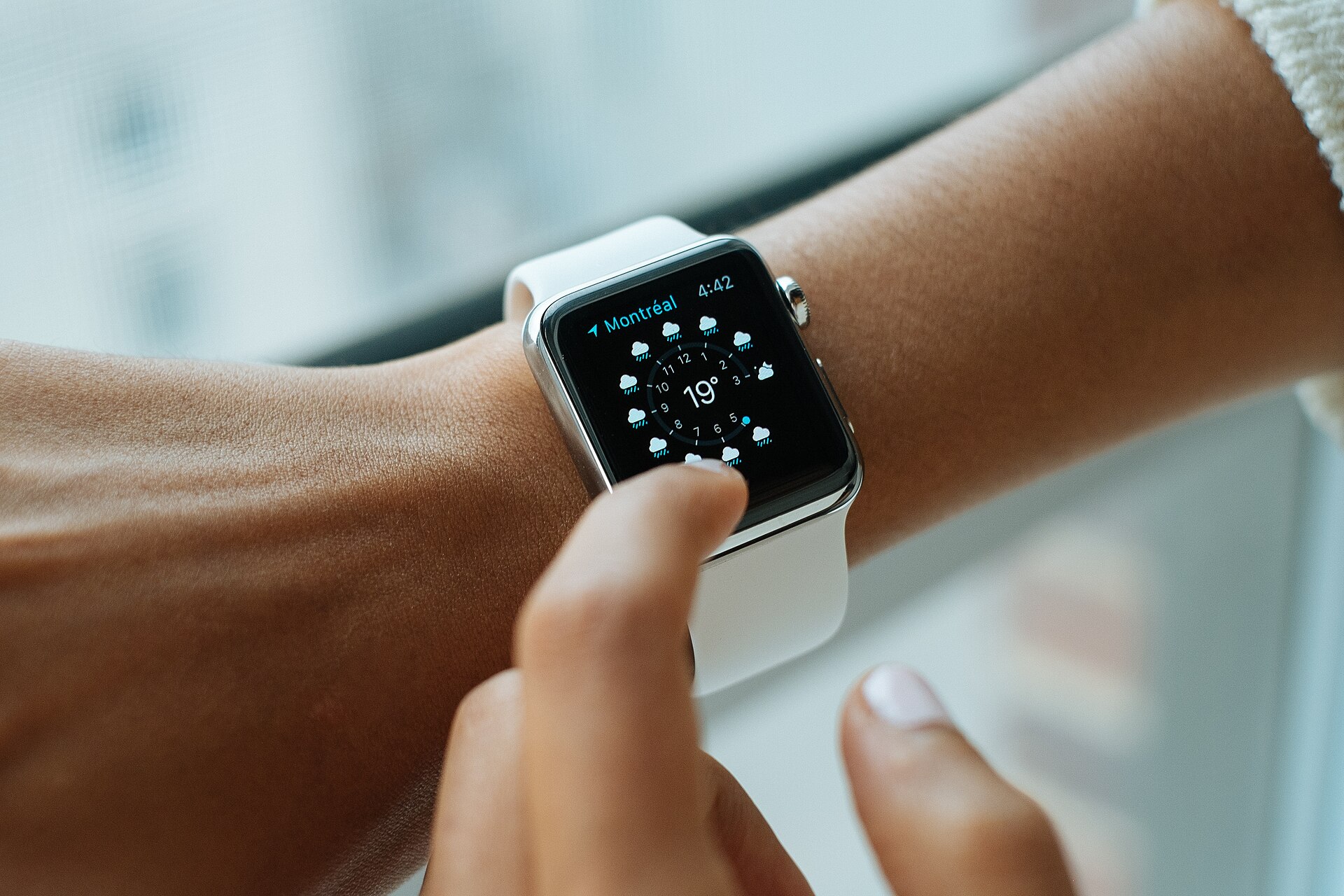
Apple’s next wearable is set to arrive with a noticeably thinner silhouette that feels both sleek and comfortable on the wrist. Rumors suggest a refined curvature that reduces the overall profile, while a brighter always‑on display promises better readability under direct sunlight. Beyond looks, the upcoming model appears to push health tracking further, potentially adding a prototype blood‑glucose sensor alongside existing metrics. Paired with an upgraded S‑series processor, users can expect snappier app launches and smoother interactions. All of this is slated for an early‑next‑month launch, with pre‑orders opening a week before the official release.
Design and Build
The new case is rumored to shave a few millimetres off the thickness of its predecessor, thanks to a slimmer chassis and a more pronounced curvature. This subtle change not only enhances the aesthetic but also improves ergonomics, allowing the watch to sit flatter against the skin. Early renderings show a smoother transition between the bezel and the glass, reducing the visual bulk that some critics noted in the previous generation.
Apple’s press releases have repeatedly highlighted a commitment to expanding health‑focused hardware, and the slimmer design aligns with that narrative by freeing up internal space for additional sensors. The refined shape also means the watch can accommodate a larger screen without increasing the overall footprint, paving the way for richer visual experiences and more detailed health dashboards.
Health and Fitness Innovations
One of the most exciting whispers revolves around a new sensor array that could include blood‑glucose monitoring capability. While Apple has not confirmed the feature, the company’s ongoing emphasis on health sensor expansion (verify) makes it a plausible addition. Alongside the existing heart‑rate and blood‑oxygen sensors, a glucose monitor would mark a significant step toward non‑invasive diabetes management.
In addition to the potential glucose sensor, the device is expected to retain refined heart‑rate tracking and introduce blood‑oxygen saturation measurements at rest. These enhancements, combined with advanced sleep‑tracking metrics promised by the upcoming watch OS version, could give users a more comprehensive view of their nightly recovery and overall wellness.
Performance and Chipset
Under the hood, the watch is believed to run on an upgraded S‑series processor, continuing the lineage that has historically delivered a 15‑20% performance boost with each iteration (verify). This new chip should translate into faster app launch times, smoother animation rendering, and more responsive interactions with watch faces that leverage the larger display area.
Developers will also benefit from the increased processing headroom, allowing them to create richer health‑focused applications that can analyze data in real time. The combination of a faster chip and a brighter screen sets the stage for a more i mmer sive user experience without sacrificing battery efficiency.
Battery Life and Charging Improvements
Apple claims typical use can stretch up to 18 hours, a figure that aligns with the previous generation’s performance. However, an enhanced low‑power mode is rumored to add an extra one to two hours of daily usage, effectively extending the day’s runtime for power‑hungry health monitoring. This aligns with the company’s pattern of offering optional low‑power settings that provide tangible gains (verify).
Charging speed remains a focal point. Prior models introduced a 1.5‑hour charging time for a full battery, establishing a benchmark for future improvements (verify). While exact numbers for the new model are still under wraps, Apple is expected to maintain—or even shave a few minutes off—that timeframe, ensuring users spend less time tethered to a charger and more time on the move.
watch OS Features and Ecosystem Integration
The upcoming watch OS version is set to unlock advanced sleep‑tracking metrics that dovetail with the new hardware’s capabilities. Historically, watch OS updates bring fresh watch faces and health metrics that align with the underlying sensors (verify), and this cycle appears no different. Users can anticipate a broader selection of faces that take advantage of the larger screen real estate, delivering more information at a glance without clutter.
Integration with the broader Apple ecosystem continues to deepen. The watch will sync seamlessly with iPhone 13 and later models running iOS 18 or newer (verify), enabling features like automatic hand‑off of health data, unified notifications, and tighter control over smart‑home devices. This synergy reinforces Apple’s strategy of creating a cohesive, cross‑device experience that feels natural and intuitive.
Pricing, Availability, and Release Timeline
Pricing is projected to start around $399, positioning the device competitively within the premium smart watch segment. Apple typically announces new watches in September and releases them the following month (verify), a pattern that appears to hold true this year. The launch is slated for early next month, with pre‑orders opening a week prior to the official release, giving eager customers a narrow window to secure their unit.
Cellular variants are expected to be offered in the United States, Canada, Europe, and select Asia‑Pacific markets, ensuring that users in key regions can stay connected even without their iPhone nearby. The rollout will likely follow a staggered approach, with major markets receiving the watch first and other regions following in the weeks after.
Frequently Asked Questions
- When will the Apple Watch Series 12 become available for purchase? The launch is slated for early next month, with pre‑orders opening a week prior to the official release.
- Will the new model support cellular connectivity in all regions? Cellular variants are expected to be offered in the United States, Canada, Europe, and select Asia‑Pacific markets.
- What health features differentiate this generation from its predecessor? Apart from refined heart‑rate monitoring, the watch may introduce blood‑oxygen saturation tracking at rest and a prototype glucose sensor (verify).
- How does the battery performance compare to the previous generation? Apple claims up to 18 hours of typical use, with an optional low‑power setting that could add an extra hour or two.
- Is the new watch compatible with older iPhone models? Compatibility is likely limited to iPhone 13 and later running iOS 18 or newer (verify).
Conclusion
Apple Watch Series 12 appears poised to blend a slimmer, more ergonomic design with meaningful health‑tracking upgrades and a faster processor. The brighter always‑on display and extended battery life address everyday usability, while the anticipated glucose sensor could redefine how wearables support chronic health management. With a $399 starting price and a rollout that follows Apple’s familiar launch cadence, the new watch promises to keep the brand at the forefront of the premium smart watch market. Early adopters will get a first look at the enhanced ecosystem integration, setting the tone for the next wave of wearable innovation.


Comments
Post a Comment