Apple Stores Redesign Layout to Highlight Home Products
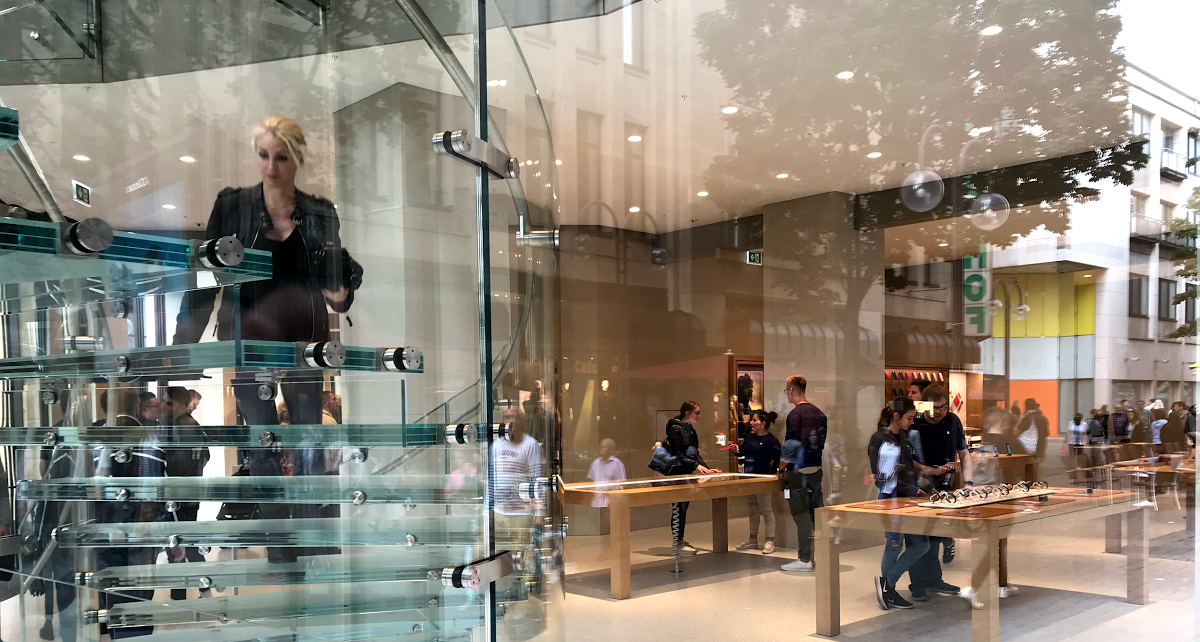
Store layout redesign for Home product focus
Apple’s retail strategy is about to get a visible facelift. The company plans to carve out more floor space for its Home ecosystem, moving Home Pod speakers, Apple TV boxes and a growing family of Home Kit accessories out of the generic shelves and into a purpose‑built area. Larger, modular displays will replace the current shelving, giving store planners the flexibility to rearrange products as new versions arrive.
Industry observers note that Apple often times store refreshes with major product launches, a pattern that dates back to the introduction of the Apple Watch and the dedicated wearables section (Apple’s retail strategy historically includes redesigns timed with major product releases to boost visibility). By aligning the redesign with the upcoming Home product launch window, Apple hopes to make the new devices impossible to miss.
Dedicated Home zones within stores
The centerpiece of the overhaul is a set of “Home” zones that sit near the front of each flagship store. These zones will be clearly marked with new branding that emphasizes the interconnected nature of Apple’s smart‑home offerings. Customers will be able to walk through a curated environment where a Home Pod controls lighting, a TV streams content, and Home Kit accessories respond to voice commands, all in a single, cohesive demo.
According to 9to5Mac, Apple is preparing “significant” changes ahead of new Home product launches, confirming that the dedicated zones are more than a cosmetic tweak. The zones are designed to guide shoppers from curiosity to purchase without having to wander across multiple aisles.
Updated visual merchandising and signage
Visual merchandising will shift from static product rows to dynamic, modular displays that can be reconfigured on the fly. Apple’s internal memos, obtained by industry sources, stress the importance of modularity to keep pace with rapid product iteration. New signage will use a clean, minimalist aesthetic that mirrors the Home app’s interface, helping customers instantly recognize the ecosystem’s scope.
The updated signage will also incorporate QR codes that link directly to online tutorials, allowing shoppers to dive deeper into setup steps before they even speak to a staff member. This blend of physical and digital cues creates a seamless discovery experience that mirrors Apple’s overall brand philosophy.
Enhanced staff training on the Home ecosystem
No redesign can succeed without knowledgeable staff. Apple will roll out specialized training modules that cover Home Kit integration, device setup, troubleshooting, and best‑practice recommendations for smart‑home configurations. Training programs for new product categories typically involve a blend of online modules and in‑store workshops for staff (Training programs for new product categories typically involve a blend of online modules and in‑store workshops for staff).
Employees who complete the curriculum will earn a “Home Specialist” badge, visible on their name tags, signaling to customers that they have the expertise to help with everything from pairing a Home Pod to configuring automations across multiple devices.
Coordination with supply chain for product rollout
A smooth rollout hinges on tight coordination between Apple’s supply chain and its retail teams. The company plans to align product launch schedules with store refresh cycles, ensuring that the latest Home devices are on the floor the moment a store opens its new layout. Internal sources indicate that Apple’s logistics teams are already mapping inventory flows to flagship locations first, then to regional stores as the redesign expands.
By syncing inventory deliveries with the physical redesign, Apple minimizes the risk of empty shelves and maximizes the impact of the launch window, which is slated for the fall quarter of 2026.
New in‑store experiences and demo stations
Beyond static displays, Apple will install interactive demo stations where shoppers can control a simulated smart‑home scenario. One station lets users dim lights, adjust thermostat settings, and stream music—all with a single voice command to Siri. Another showcases how Apple TV integrates with Home Kit accessories to create i mmer sive entertainment environments.
These hands‑on experiences are designed to reduce the learning curve that often deters consumers from adopting smart‑home technology. By letting customers experiment in a low‑risk setting, Apple hopes to convert curiosity into confidence and, ultimately, sales.
Integration with existing Genius Bar services
The new Home zones will sit adjacent to, but not replace, the Genius Bar. This proximity allows customers to transition smoothly from exploring a demo to receiving technical assistance. If a shopper encounters an issue while setting up a Home Pod, they can walk directly to a Genius Bar technician who now has deeper knowledge of the Home ecosystem thanks to the enhanced training.
Apple’s approach mirrors past store updates that introduced dedicated sections for wearables and services, suggesting a similar integration model for Home products (Past store updates have introduced dedicated sections for wearables and services, suggesting a similar approach for Home products).
Timeline and rollout plan across locations
Apple’s rollout will begin with its flagship stores in major markets, where the redesign can generate the most buzz. Early adopters are expected to see the new layout in time for the upcoming Home product launch window, anticipated in the fall quarter of 2026. After the flagship phase, Apple will gradually expand the redesign to regional locations over the following months, ensuring that each store receives the necessary modular fixtures and trained staff before opening.
The phased approach allows Apple to gather real‑world feedback, fine‑tune the modular display system, and adjust training content as needed. It also gives the supply chain time to scale inventory distribution without overwhelming any single hub.
FAQ
- What specific changes will Apple Stores make for Home product launches? Stores will add dedicated Home zones, larger modular displays, updated signage, and interactive demo stations, plus staff training focused on the Home ecosystem.
- Will all Apple Store locations receive the new layout at once? The rollout will start with flagship stores and major markets, then gradually expand to additional locations over the following months.
- How will the new Home sections affect the existing Genius Bar layout? The Home zones will be positioned adjacent to, but not replace, the Genius Bar, allowing customers to move easily between product demos and technical support.
- What training will store employees receive for the Home product line? Employees will complete a curriculum covering Home Kit integration, device setup, troubleshooting, and best‑practice recommendations for smart‑home configurations.
- When does Apple expect the first stores to open with the new Home‑focused design? Initial stores are slated to open with the redesign in time for the upcoming Home product launch window, anticipated in the fall quarter of 2026.
- How will the changes improve the customer experience? By providing hands‑on demos, clearer signage, and knowledgeable staff, customers can more easily explore, compare, and purchase Home devices in a cohesive environment.
Conclusion
Apple’s decision to redesign its retail floor plan underscores the company’s confidence in the Home ecosystem as a growth engine. By carving out dedicated zones, installing flexible displays, and equipping staff with deep product knowledge, Apple is turning its stores into i mmer sive smart‑home showrooms. The phased rollout, anchored by flagship locations, ensures that each store can deliver a polished experience while the supply chain catches up. Shoppers who step into a newly refreshed Apple Store will leave with a clearer understanding of how Home Pod, Apple TV and a suite of Home Kit accessories can work together, making the transition from curiosity to purchase feel natural and effortless.


Comments
Post a Comment