US Iran Conflict
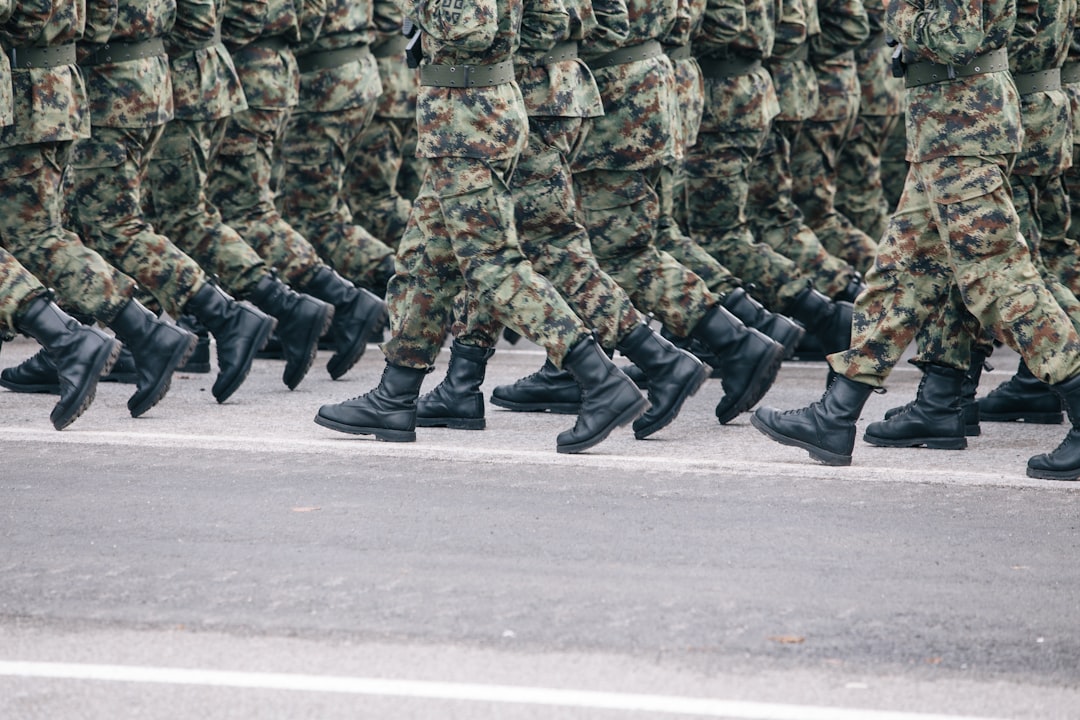
The current situation between the U.S. and Iran is highly volatile, with both countries involved in a series of attacks and retaliations. The conflict has resulted in significant economic and humanitarian impacts, and the potential for further escalation remains high. To understand the current situation, it is essential to examine the historical context of U.S. and Iran relations, as well as recent developments and escalations.
Current Situation Overview
The conflict between the U.S. and Iran has been escalating over the past few months, with both countries engaging in a series of attacks and retaliations. The killing of U.S. soldiers in a recent incident sparked the current conflict, and Iran has since launched missile strikes against U.S. military bases in the region. The U.S. has responded with airstrikes against Iranian-backed militia groups, and the conflict has resulted in significant damage to infrastructure and civilian areas. The international community is calling for de-escalation and diplomatic efforts, and the U.S. has imposed economic sanctions on Iran in response to the conflict.
The U.S. has stated that it is committed to protecting its interests and personnel in the region, and Iran has stated that it will continue to respond to U.S. aggression. The conflict has involved the use of advanced military technology and weaponry, and the potential for further escalation remains high. The international community has offered to facilitate diplomatic efforts between the U.S. and Iran, but so far, there has been little progress in resolving the conflict.
Historical Context of U.S. and Iran Relations
The U.S. and Iran have a long history of tense relations and conflicts. The two countries have been at odds since the 1979 Iranian Revolution, which overthrew the U.S.-backed Shah of Iran. Since then, the U.S. and Iran have had limited diplomatic relations, and the two countries have been involved in numerous conflicts and skirmishes. The U.S. has imposed economic sanctions on Iran in the past, and Iran has been accused of supporting terrorist groups and developing nuclear weapons.
The historical context of U.S. and Iran relations is complex and multifaceted, and it is essential to understand this context to appreciate the current situation. The U.S. and Iran have had different interests and priorities in the region, and these differences have often led to conflict. The U.S. has been concerned about Iran's nuclear program and its support for terrorist groups, while Iran has been concerned about the U.S. presence in the region and its support for Israel.
Recent Developments and Escalations
The current conflict between the U.S. and Iran began with the killing of U.S. soldiers in a recent incident. Iran has launched missile strikes against U.S. military bases in the region, and the U.S. has responded with airstrikes against Iranian-backed militia groups. The conflict has resulted in significant damage to infrastructure and civilian areas, and the potential for further escalation remains high. The international community is calling for de-escalation and diplomatic efforts, but so far, there has been little progress in resolving the conflict.
The recent developments and escalations in the conflict have been driven by a combination of factors, including the killing of U.S. soldiers, Iran's launch of missile strikes, and the U.S. response with airstrikes. The conflict has also been driven by the historical context of U.S. and Iran relations, as well as the current geopolitical situation in the region. The U.S. and Iran have different interests and priorities in the region, and these differences have often led to conflict.
International Community Response
The international community has been calling for de-escalation and diplomatic efforts to resolve the conflict between the U.S. and Iran. The United Nations, the European Union, and other international organizations have offered to facilitate diplomatic efforts between the two countries, but so far, there has been little progress. The international community is concerned about the potential for further escalation and the humanitarian impacts of the conflict, and it is urging both countries to engage in diplomatic efforts to resolve their differences.
The international community response to the conflict has been driven by a desire to prevent further escalation and to promote diplomatic efforts. The conflict has resulted in significant economic and humanitarian impacts, and the potential for further escalation remains high. The international community is urging both countries to engage in diplomatic efforts to resolve their differences and to find a peaceful solution to the conflict.
Potential Long-term Consequences
The potential long-term consequences of the conflict between the U.S. and Iran are significant. The conflict has resulted in significant economic and humanitarian impacts, and the potential for further escalation remains high. The conflict could lead to a wider regional war, involving other countries in the Middle East, and it could also have significant impacts on the global economy. The conflict could also lead to a deterioration in relations between the U.S. and other countries in the region, and it could undermine the stability of the region.
The potential long-term consequences of the conflict are driven by a combination of factors, including the historical context of U.S. and Iran relations, the current geopolitical situation in the region, and the potential for further escalation. The conflict has resulted in significant economic and humanitarian impacts, and the potential for further escalation remains high. The international community is urging both countries to engage in diplomatic efforts to resolve their differences and to find a peaceful solution to the conflict.
Ongoing Conflict Analysis
The conflict between the U.S. and Iran is ongoing, and the situation remains highly volatile. The U.S. and Iran are engaged in a series of attacks and retaliations, and the potential for further escalation remains high. The international community is calling for de-escalation and diplomatic efforts, but so far, there has been little progress in resolving the conflict. The conflict has resulted in significant economic and humanitarian impacts, and the potential for further escalation remains high.
The ongoing conflict analysis is driven by a combination of factors, including the historical context of U.S. and Iran relations, the current geopolitical situation in the region, and the potential for further escalation. The conflict has resulted in significant economic and humanitarian impacts, and the potential for further escalation remains high. The international community is urging both countries to engage in diplomatic efforts to resolve their differences and to find a peaceful solution to the conflict.
Future Directions and Predictions
The future directions and predictions for the conflict between the U.S. and Iran are uncertain. The conflict could escalate further, leading to a wider regional war, or it could de-escalate, leading to diplomatic efforts and a peaceful solution. The conflict has resulted in significant economic and humanitarian impacts, and the potential for further escalation remains high. The international community is urging both countries to engage in diplomatic efforts to resolve their differences and to find a peaceful solution to the conflict.
The future directions and predictions for the conflict are driven by a combination of factors, including the historical context of U.S. and Iran relations, the current geopolitical situation in the region, and the potential for further escalation. The conflict has resulted in significant economic and humanitarian impacts, and the potential for further escalation remains high. The international community is urging both countries to engage in diplomatic efforts to resolve their differences and to find a peaceful solution to the conflict.
FAQ
- What sparked the current conflict between the U.S. and Iran? The killing of U.S. soldiers in a recent incident sparked the current conflict.
- What has been the response of the international community to the conflict? The international community has called for de-escalation and diplomatic efforts.
- What are the potential long-term consequences of the conflict? The potential long-term consequences include significant economic and humanitarian impacts.
- How have the U.S. and Iran been involved in the conflict? The U.S. and Iran have been involved in a series of attacks and retaliations.
- What is the current situation in the region? The current situation is being closely monitored by global leaders and analysts.
- What are the potential future directions of the conflict? The potential future directions include continued escalation or diplomatic efforts.
In conclusion, the conflict between the U.S. and Iran is complex and multifaceted, and it has resulted in significant economic and humanitarian impacts. The potential for further escalation remains high, and the international community is urging both countries to engage in diplomatic efforts to resolve their differences and to find a peaceful solution to the conflict. The historical context of U.S. and Iran relations, the current geopolitical situation in the region, and the potential for further escalation all play a role in the conflict, and it is essential to understand these factors to appreciate the current situation.


Comments
Post a Comment