US Deploys B-1 Bomber
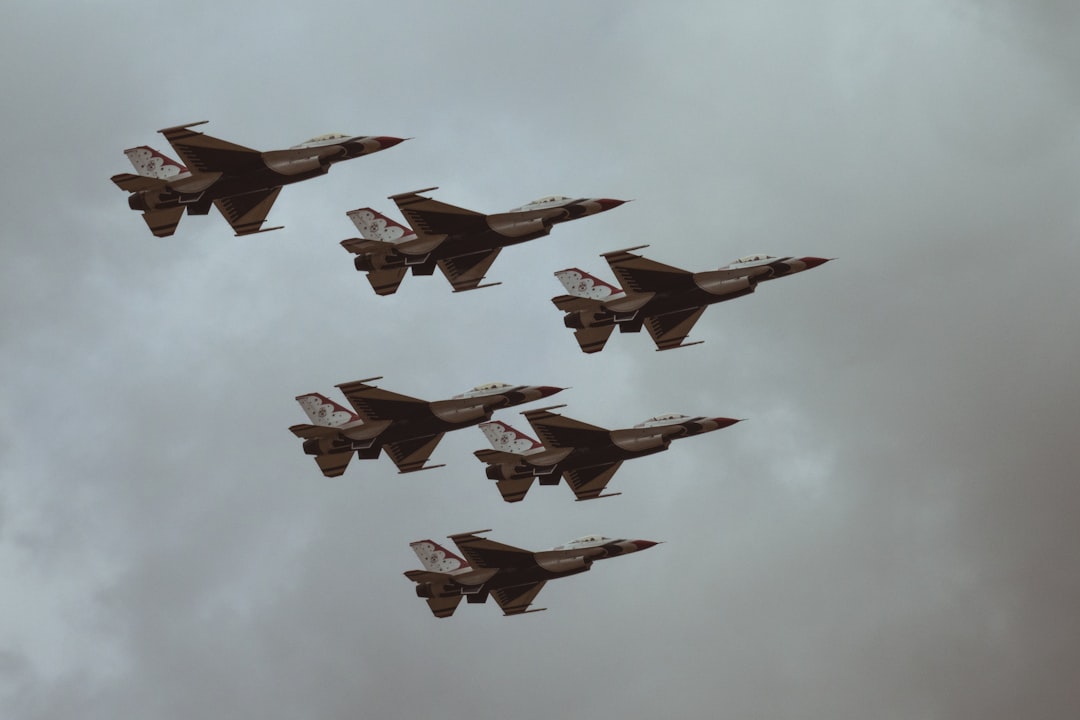
The deployment of a B-1 bomber by the United States in response to heightened attacks on Iran marks a significant escalation in the ongoing tensions between the two nations. This move is seen as a demonstration of the U.S. commitment to defending its interests and allies in the region. The B-1 bomber, with its impressive range of over 5,000 miles, is a strategic asset that brings considerable firepower and capabilities to the table.
Geopolitical Tensions Escalate
The situation between the U.S. and Iran has been volatile for some time, with both sides engaging in a war of words and actions. Iran has been facing increased military pressure from the U.S. and its allies, which has led to a surge in tensions. The U.S. has a significant military presence in the region, with bases in several countries, and has been working to build a coalition to counter Iranian influence. Iran, on the other hand, has been developing its own military capabilities, including ballistic missiles and drones, in an effort to bolster its defenses.
The recent attacks on Iran have been intensifying, with multiple incidents reported in the past few weeks. These attacks have been attributed to various parties, including U.S. allies in the region. The U.S. has been quick to condemn these attacks, while also emphasizing its commitment to defending its interests and allies. The deployment of the B-1 bomber is seen as a tangible manifestation of this commitment, and is intended to deter further aggression by Iran.
Regional Implications
The escalation of tensions between the U.S. and Iran has significant implications for the region. Several countries are involved in the conflict, either directly or indirectly, with some providing military support and others attempting to mediate. The conflict has also led to increased oil prices and market volatility, as the region is a critical hub for global energy production and distribution. The U.S. has imposed economic sanctions on Iran, targeting its oil exports and financial sector, which has further exacerbated the situation.
Military Response and Strategies
The deployment of the B-1 bomber is a key component of the U.S. military response to the escalating tensions with Iran. The bomber's significant range and firepower make it an ideal asset for deterrence and potential strike operations. The U.S. has also been working to build a coalition of allies in the region, with the aim of presenting a united front against Iranian aggression. This coalition includes several countries that have a significant military presence in the region, and are committed to defending their interests and those of their allies.
The Iranian military, on the other hand, has been developing its capabilities in recent years, with a focus on asymmetric warfare and proxy operations. Iran has been using its ballistic missiles and drones to attack targets in the region, and has also been supporting various militant groups in the area. The U.S. and its allies have been working to counter these efforts, with a combination of military and diplomatic measures.
Regional Implications and Alliances
The conflict between the U.S. and Iran has significant implications for the region, and has led to a realignment of alliances and interests. Several countries in the region have been drawn into the conflict, either directly or indirectly, with some providing military support and others attempting to mediate. The U.S. has been working to build a coalition of allies in the region, with the aim of presenting a united front against Iranian aggression.
The conflict has also led to increased tensions between the U.S. and other countries in the region, including Russia and China. These countries have been critical of U.S. actions in the region, and have been working to build their own alliances and interests. The situation remains volatile, with both sides exchanging warnings and threats, and the potential for further escalation remains high.
Historical Context of U.S.-Iran Relations
The current tensions between the U.S. and Iran are not new, and have a long and complex history. The two countries have been at odds for decades, with a range of issues contributing to the tensions. The U.S. has been critical of Iran's human rights record, its support for militant groups, and its nuclear program. Iran, on the other hand, has been critical of U.S. interference in its internal affairs, and its support for Israel and other regional allies.
The relationship between the two countries has deteriorated significantly in recent years, with increased tensions and hostility. The U.S. has imposed economic sanctions on Iran, targeting its oil exports and financial sector, which has further exacerbated the situation. Iran has responded with its own measures, including the development of its military capabilities and the support of militant groups in the region.
Potential Global Consequences
The escalation of tensions between the U.S. and Iran has significant potential global consequences. The conflict has already led to increased oil prices and market volatility, and has the potential to destabilize the entire region. The U.S. and its allies have been working to build a coalition to counter Iranian influence, but the situation remains volatile, with both sides exchanging warnings and threats.
The conflict also has the potential to draw in other countries, including Russia and China, which could further exacerbate the situation. The U.S. has been working to build its own alliances and interests in the region, but the situation remains complex and multifaceted. The potential for further escalation remains high, and the global community is watching the situation with bated breath.
FAQ
- What is the significance of the B-1 bomber deployment? The deployment of the B-1 bomber signifies a strong U.S. commitment to defending its interests and allies in the region.
- How have Iran-U.S. relations evolved in recent years? Iran-U.S. relations have deteriorated significantly, with increased tensions and hostility.
- What are the potential consequences of escalated military action? Escalated military action could lead to widespread conflict, destabilization, and humanitarian crises.
- Are other countries involved in the conflict? Yes, several countries are involved, either directly or indirectly, with some providing military support and others attempting to mediate.
In conclusion, the deployment of the B-1 bomber by the U.S. in response to heightened attacks on Iran marks a significant escalation in the ongoing tensions between the two nations. The situation remains volatile, with both sides exchanging warnings and threats, and the potential for further escalation remains high. The global community is watching the situation with bated breath, as the conflict has significant potential global consequences. The U.S. and its allies must work to build a coalition to counter Iranian influence, while also addressing the underlying issues that have contributed to the tensions. Only through a combination of military and diplomatic measures can the situation be resolved, and the region be brought back from the brink of conflict.


Comments
Post a Comment