Data Center Energy Use
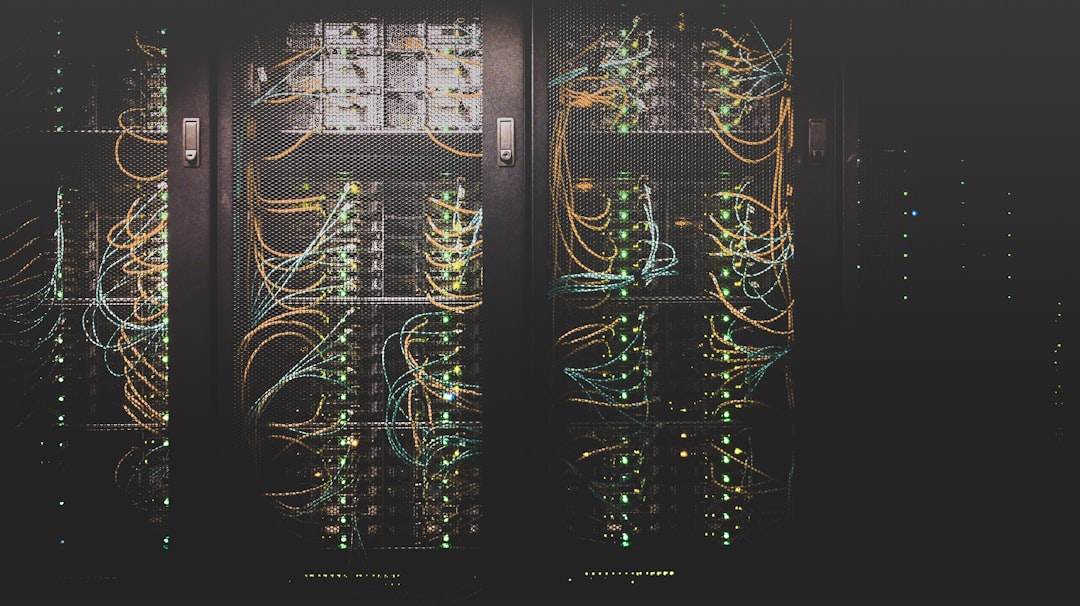
Data centers are the backbone of the digital age, providing storage and processing power for vast amounts of information. However, the increasing demand for data storage and processing has led to a significant rise in energy consumption. As the world becomes more digital, the energy needs of data centers are expected to grow exponentially, posing a significant challenge to the environment and the power grid.
Introduction to Data Center Energy Consumption
The estimated amount of electricity used by data centers is expected to increase by 4x by 2035, highlighting the need for sustainable practices and energy-efficient solutions. Currently, data centers consume around 1% of global electricity, which may seem like a small fraction, but the actual amount is substantial. The average data center uses around 30-50 megawatts of power, which is equivalent to the energy consumption of a small town. This significant energy consumption is driven by the growing demand for data storage and processing, as well as the increasing use of cloud computing and big data analytics.
The use of renewable energy sources, such as solar and wind power, can reduce the carbon footprint of data centers. Energy-efficient equipment, such as servers and storage systems, can also help reduce the energy consumption of data centers. Additionally, the implementation of sustainable practices, such as recycling and waste reduction, can minimize the environmental impact of data centers. However, the adoption of these sustainable practices is still in its infancy, and more needs to be done to mitigate the environmental effects of data centers.
Projections and Implications for the Future
The demand for data storage and processing is driving the growth of data centers worldwide. As more businesses move their operations to the cloud, the need for data centers will continue to increase, leading to higher energy consumption. The increased use of cloud computing and big data analytics is contributing to the rising energy demands of data centers. Furthermore, the proliferation of internet-connected devices, such as smartphones and smart home devices, is generating vast amounts of data that need to be stored and processed.
The implications of this increased energy consumption are far-reaching. The potential consequences of data centers using more electricity include increased greenhouse gas emissions, strain on the power grid, and higher operating costs. Governments and organizations are starting to take notice of these concerns and are implementing regulations and standards to reduce the environmental impact of data centers. For instance, some data centers are now being designed with energy efficiency in mind, using innovative cooling systems and renewable energy sources to minimize their carbon footprint.
The Role of Renewable Energy
Renewable energy sources, such as solar and wind power, are becoming increasingly important for data centers. By using renewable energy, data centers can reduce their reliance on fossil fuels and lower their carbon emissions. Several data center operators have already made significant investments in renewable energy, with some even powering their entire operations using solar or wind power. However, the adoption of renewable energy is not without its challenges, as it requires significant upfront investment and infrastructure development.
The Importance of Energy Efficiency
Energy efficiency is becoming a major concern for data center operators and owners. By using energy-efficient equipment and implementing sustainable practices, data centers can reduce their energy consumption and lower their operating costs. Energy-efficient equipment, such as servers and storage systems, can help reduce the energy consumption of data centers. Additionally, the implementation of sustainable practices, such as recycling and waste reduction, can minimize the environmental impact of data centers.
FAQs
- What is driving the increased energy consumption of data centers? The growing demand for data storage and processing, as well as the increasing use of cloud computing and big data analytics.
- How can data centers reduce their energy consumption? By using energy-efficient equipment, renewable energy sources, and implementing sustainable practices.
- What are the potential consequences of data centers using more electricity? Increased greenhouse gas emissions, strain on the power grid, and higher operating costs.
- Are there any regulations in place to reduce the environmental impact of data centers? Yes, governments and organizations are implementing regulations and standards to reduce the environmental impact of data centers.
In conclusion, the energy consumption of data centers is a pressing concern that requires immediate attention. As the demand for data storage and processing continues to grow, it is essential that data center operators and owners adopt sustainable practices and energy-efficient solutions to reduce their environmental impact. By using renewable energy sources, energy-efficient equipment, and implementing sustainable practices, data centers can minimize their carbon footprint and contribute to a more sustainable future.


Comments
Post a Comment